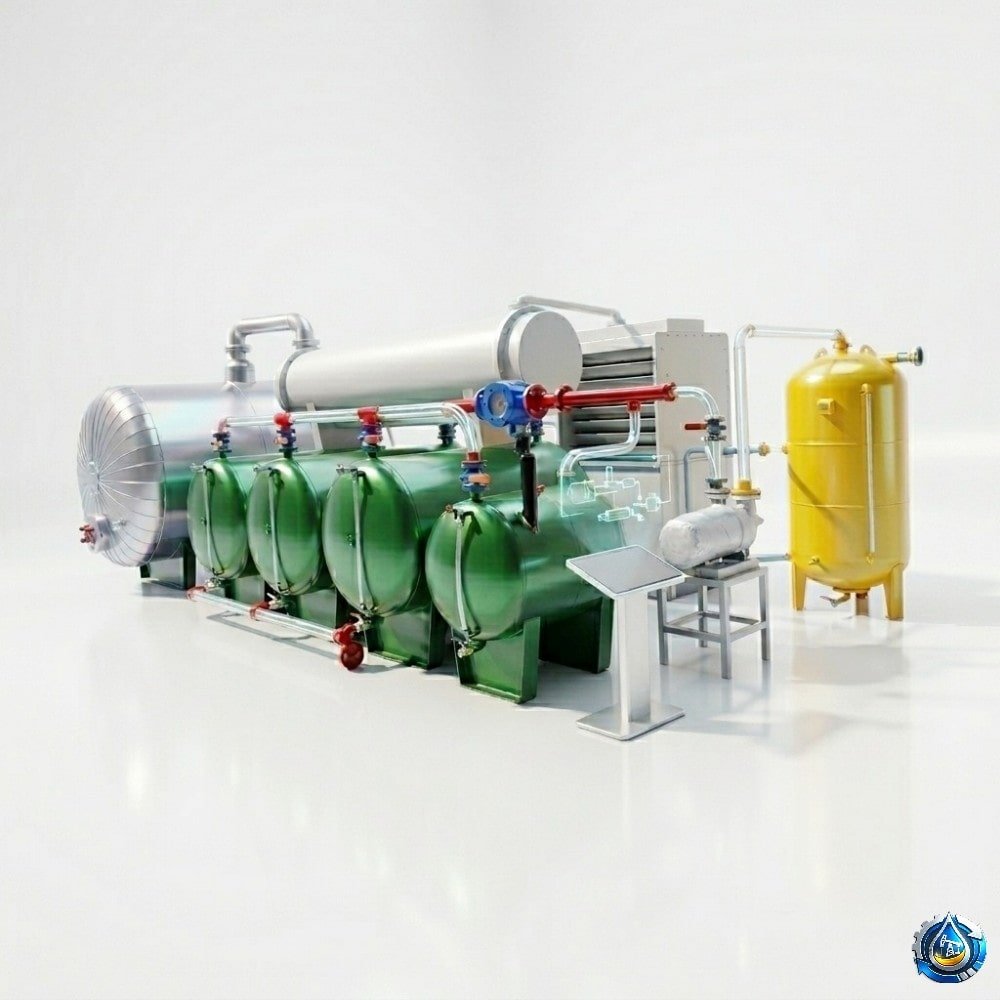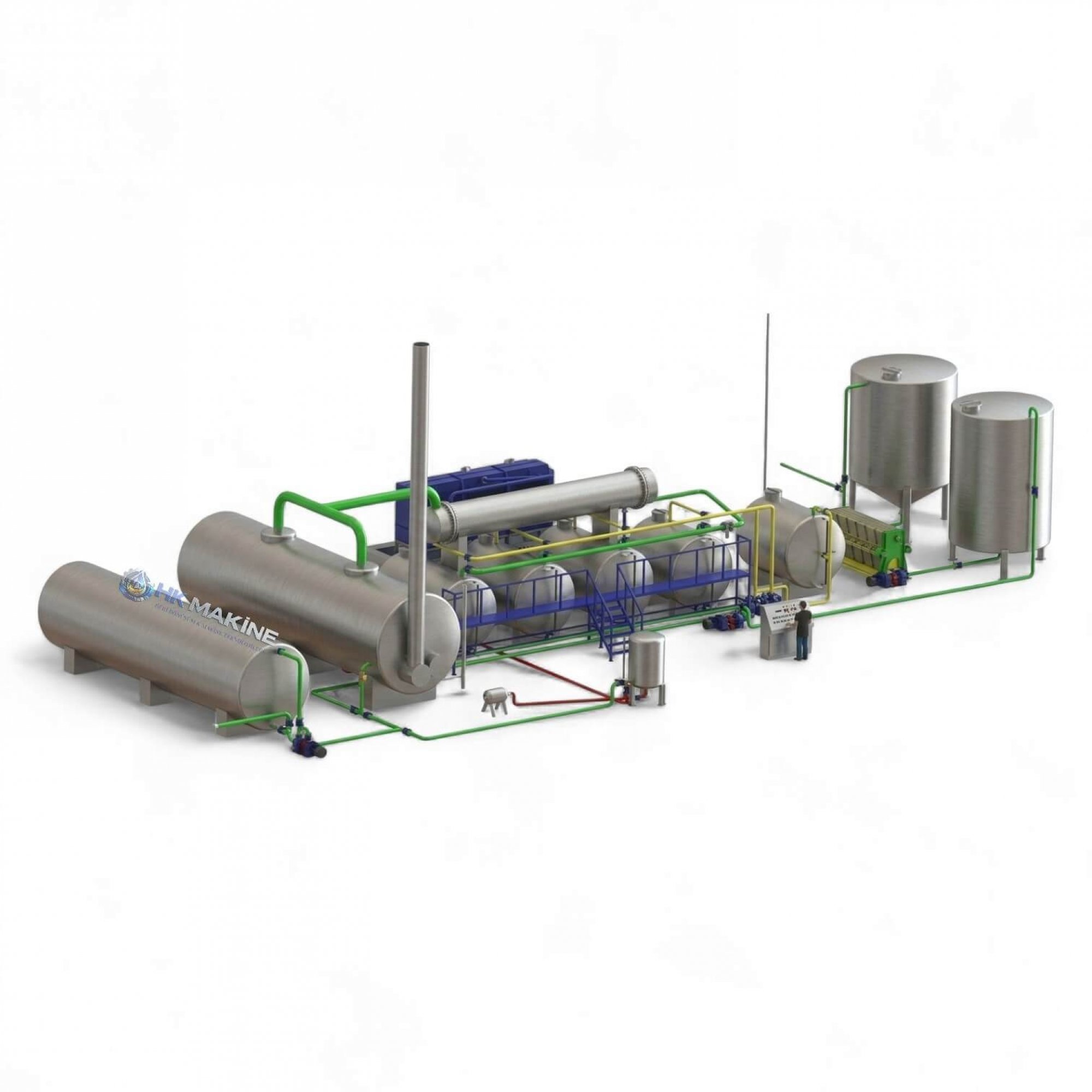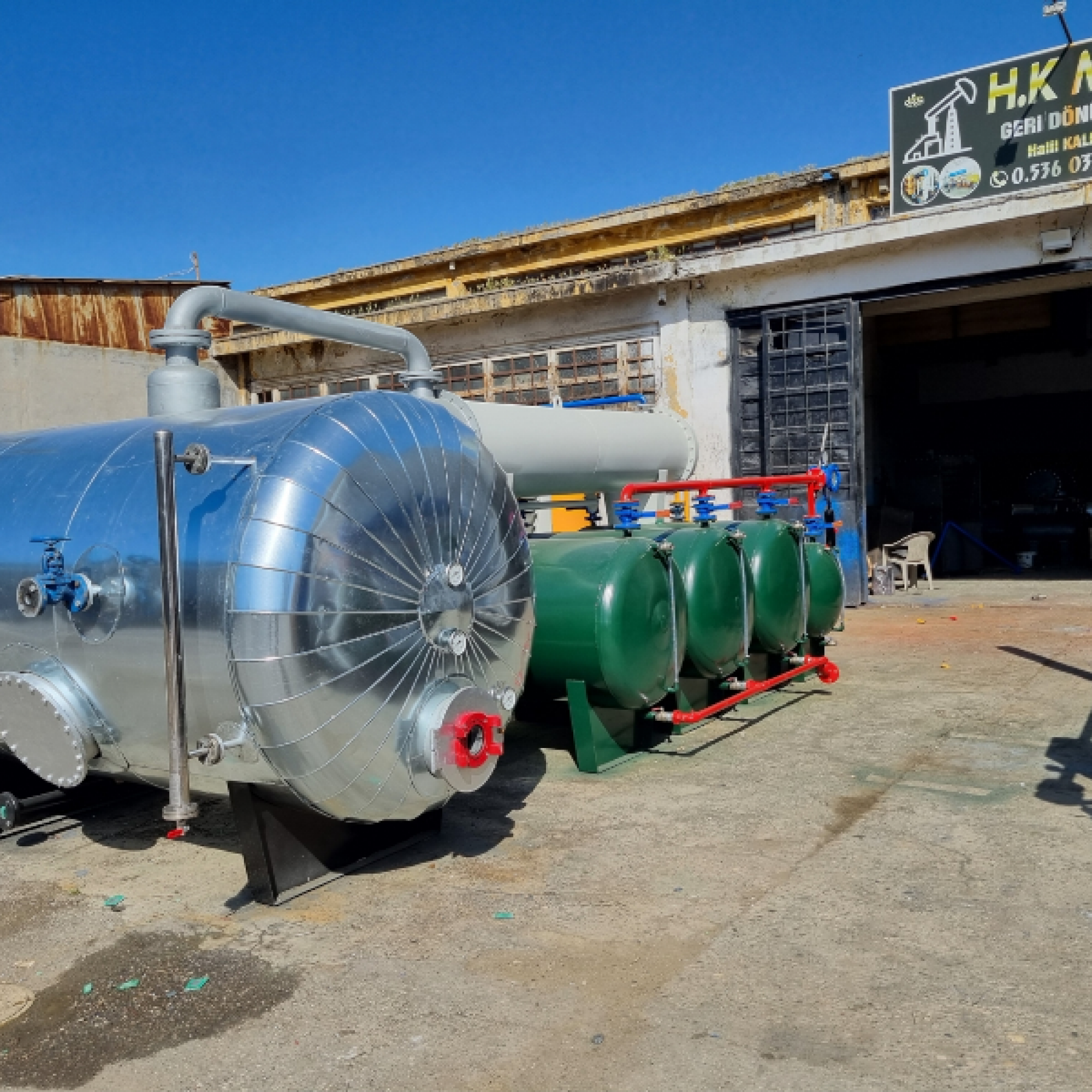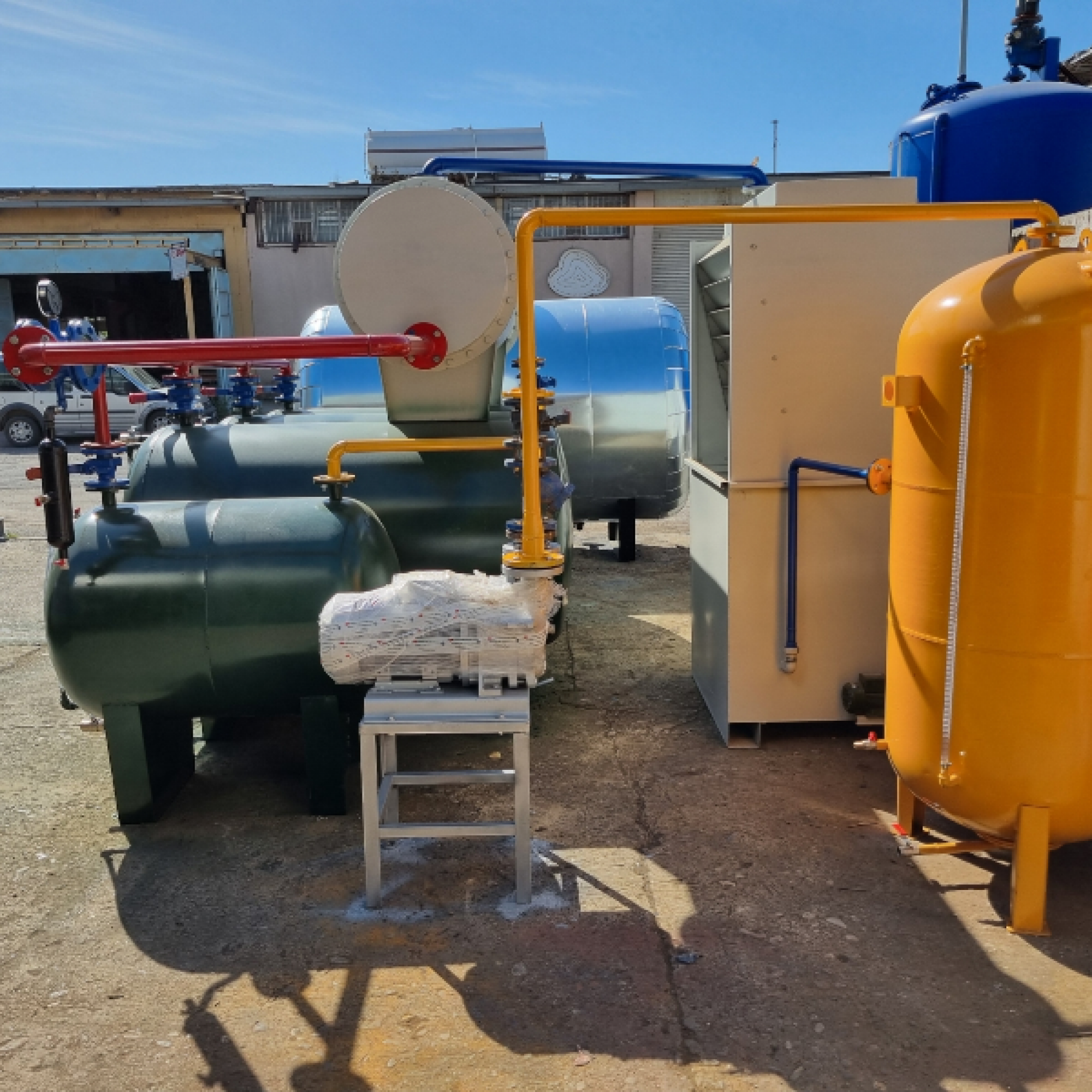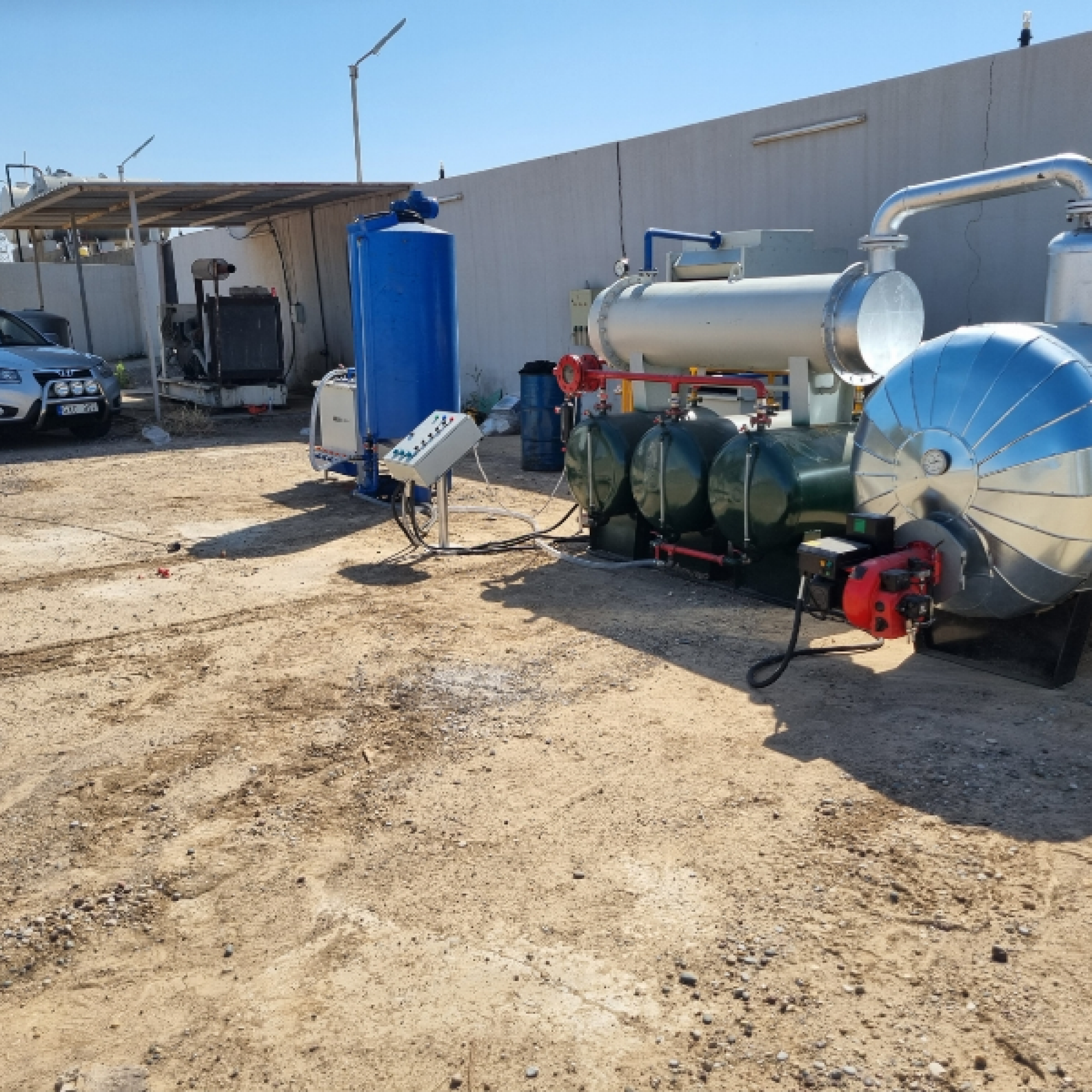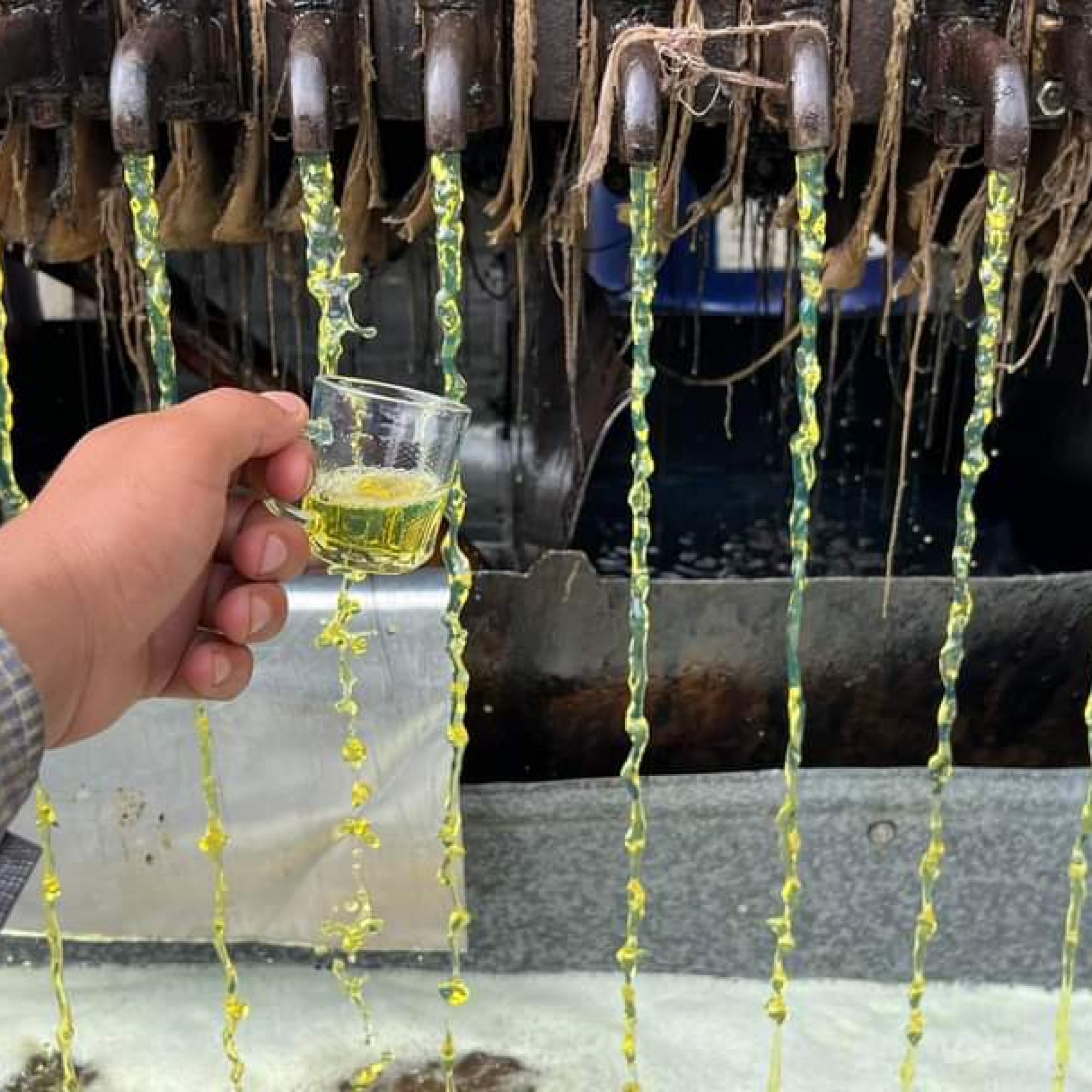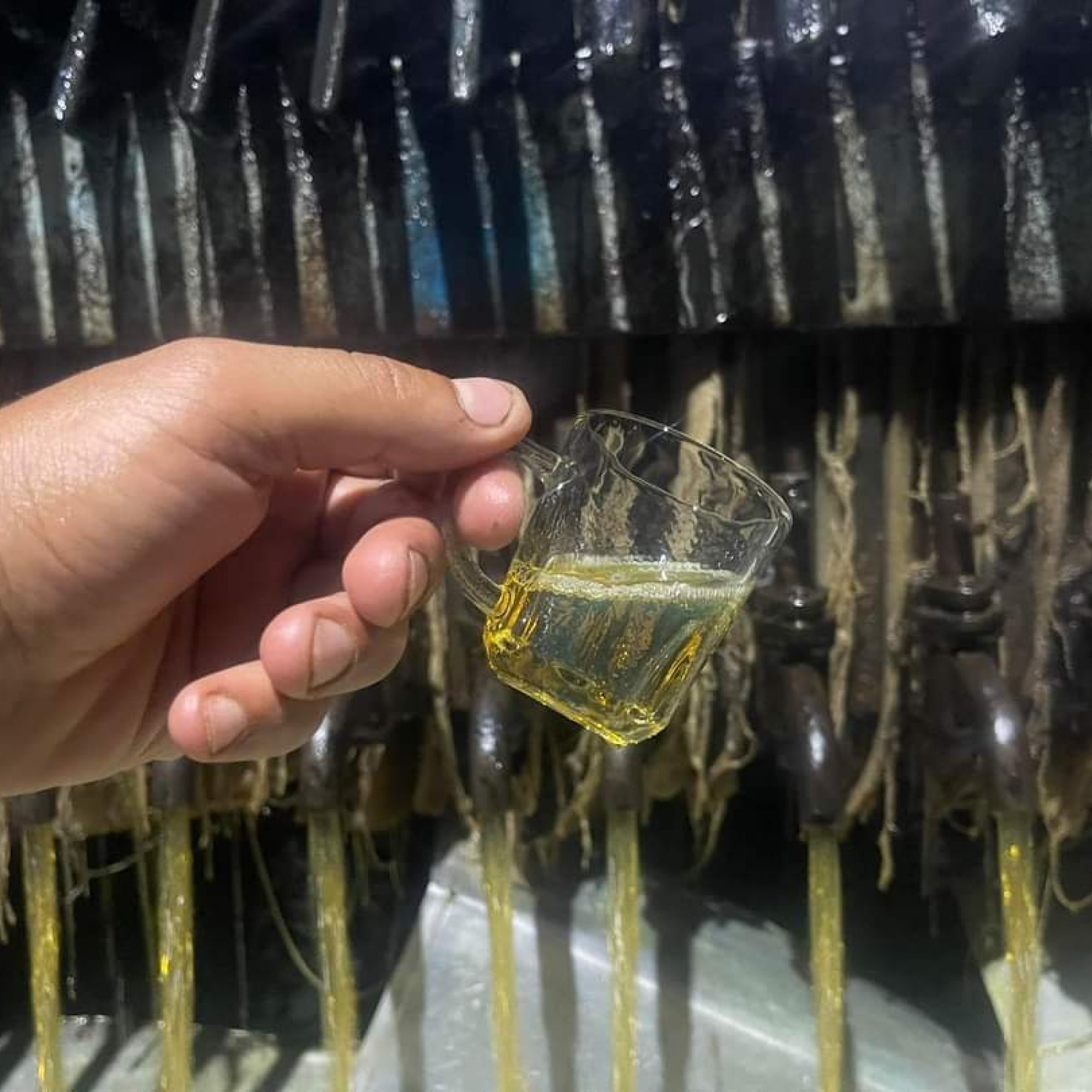
Waste Mineral Oil Recycling Plant

Waste Mineral Oil Recycling Plant

Product Images


Waste Mineral Oil Recycling Plant

Waste Mineral Oil Recycling Plant

Used Mineral Oil Recycling Plant | Base Oil Production | HK Makine +90 536 037 3281

Used Mineral Oil Recycling Plant Manufacturing

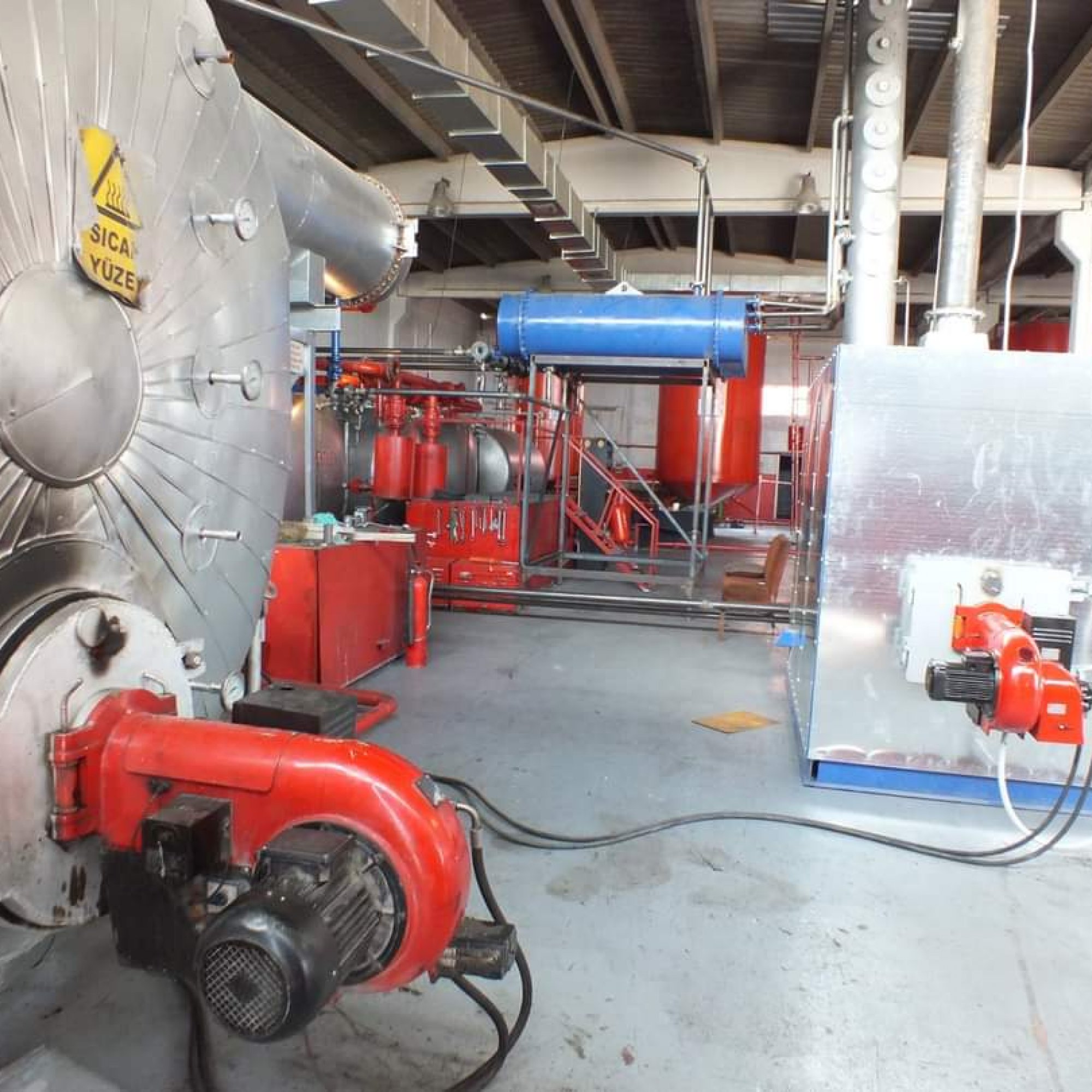
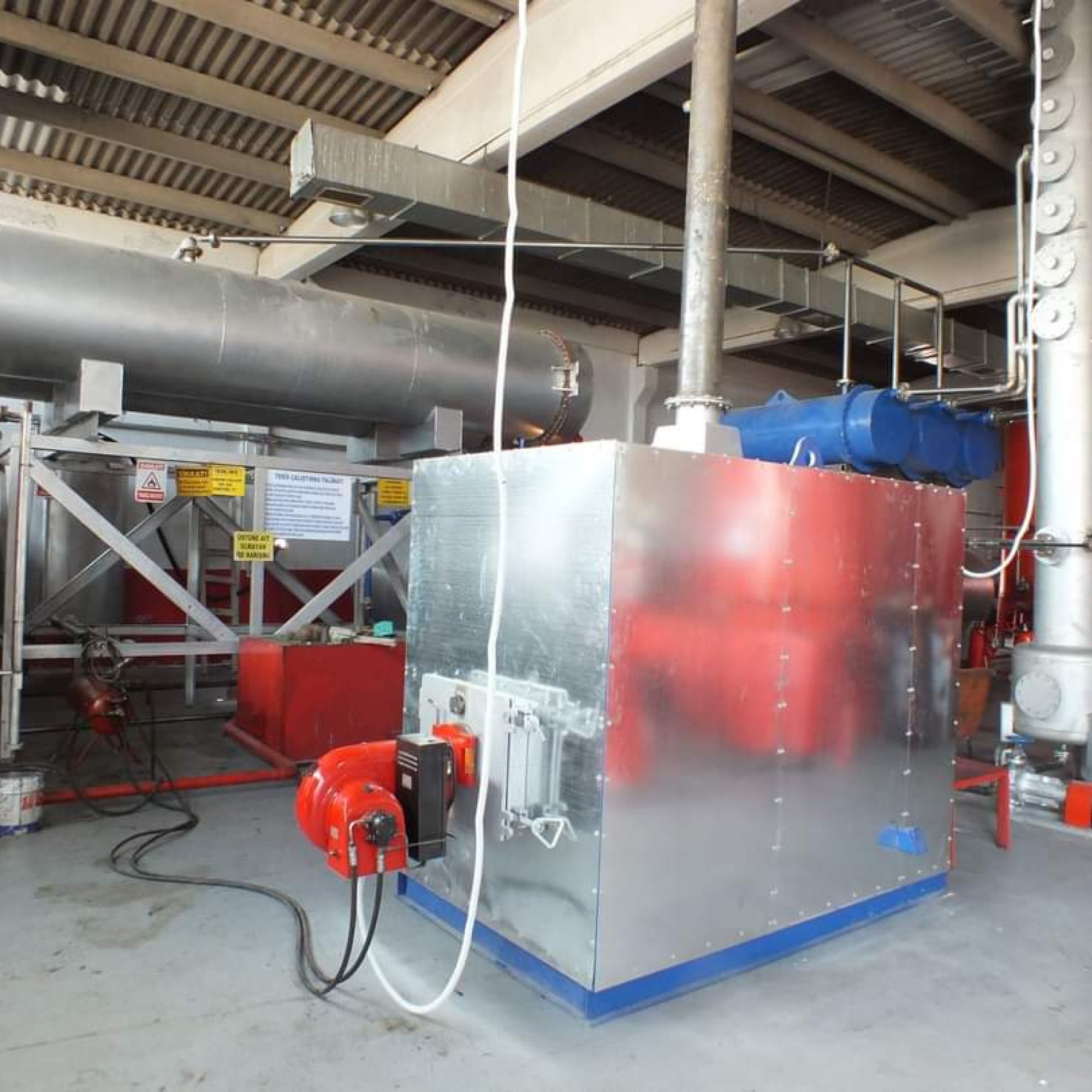
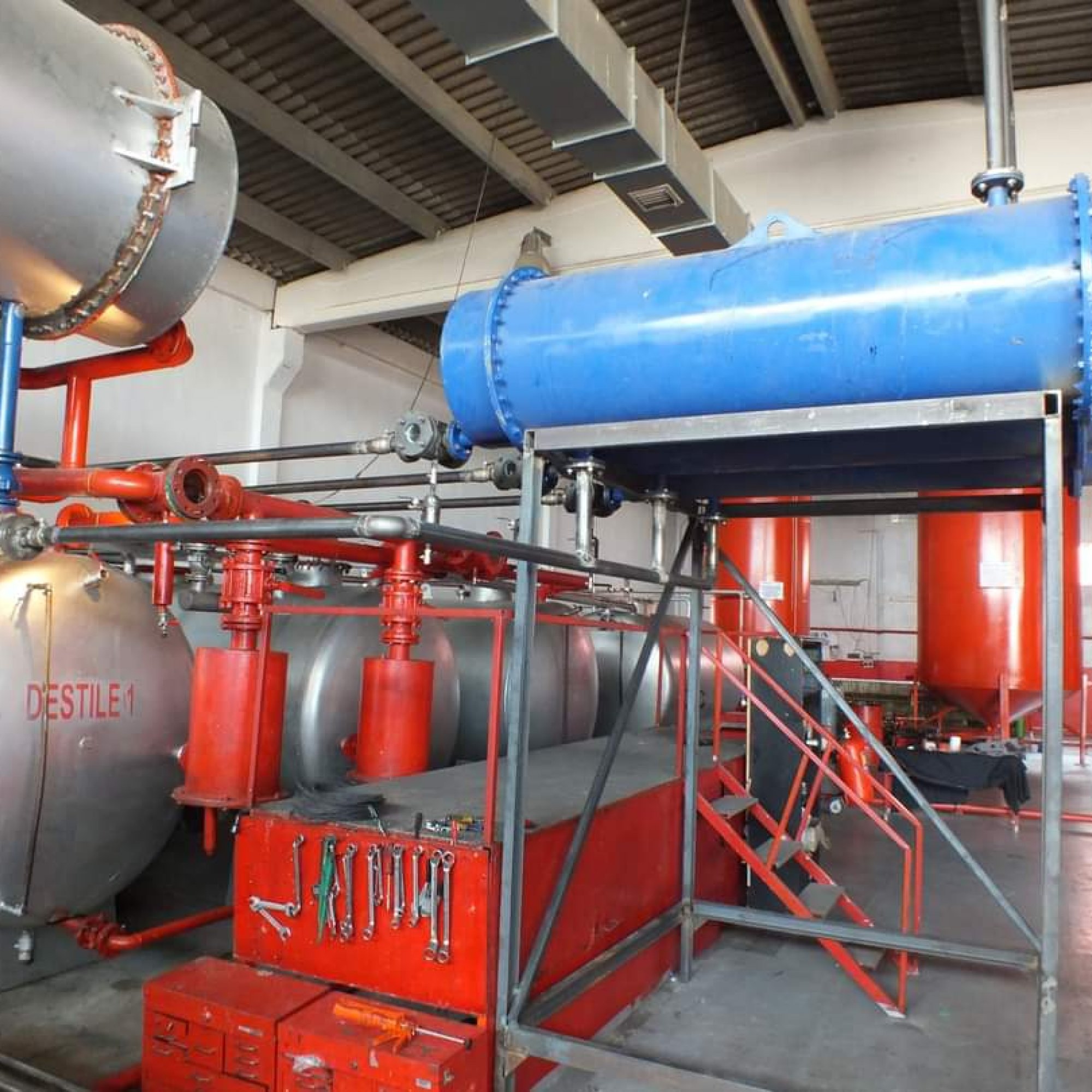
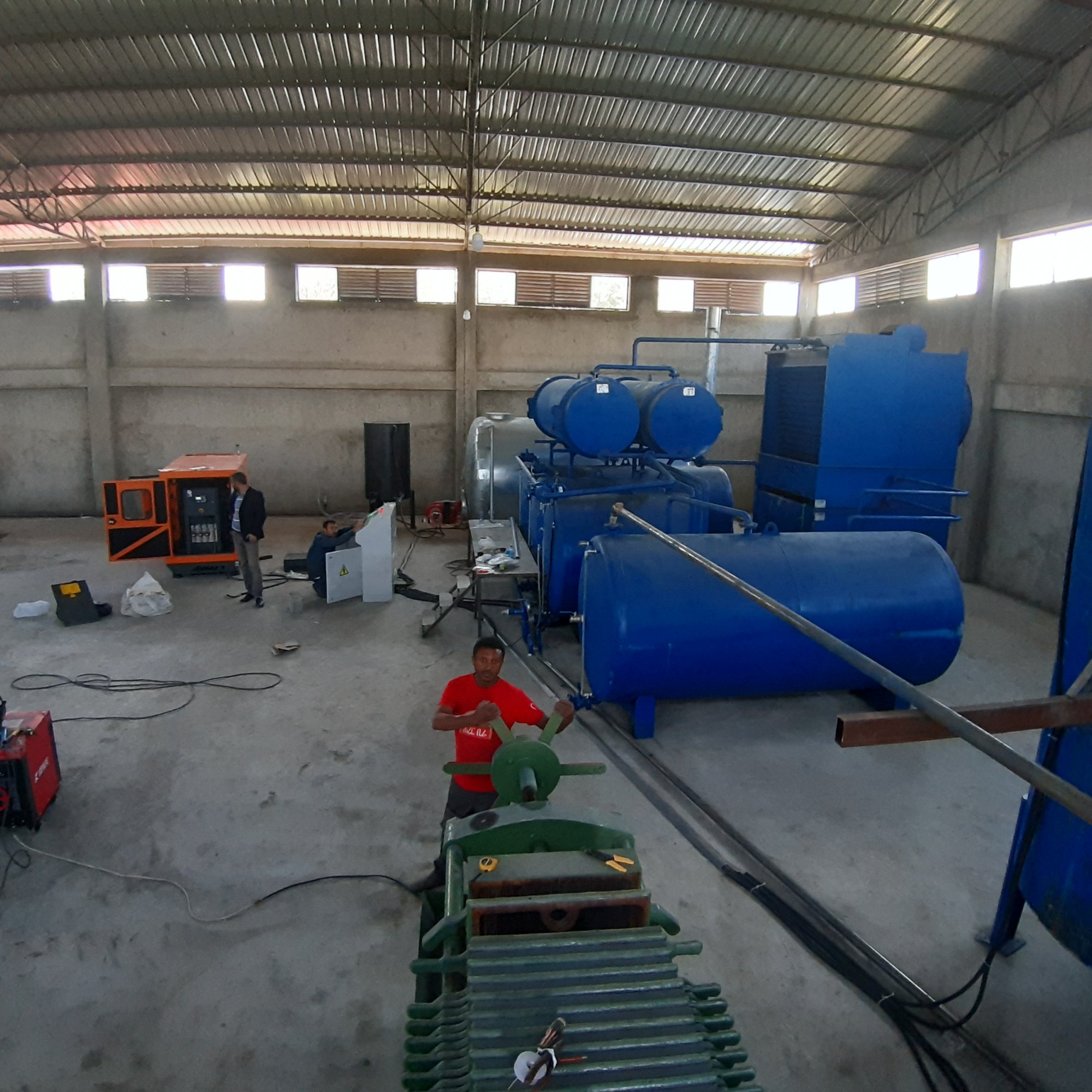
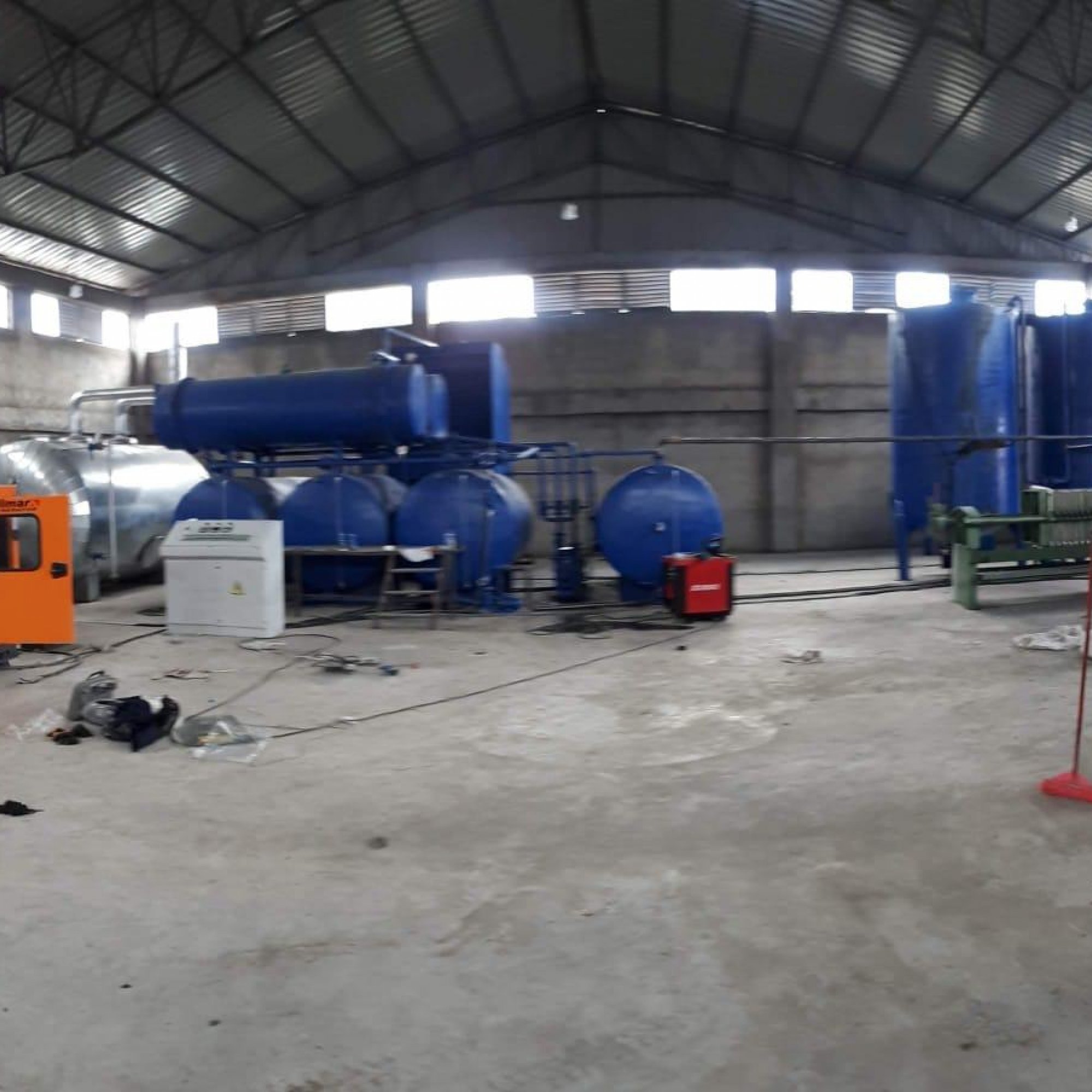
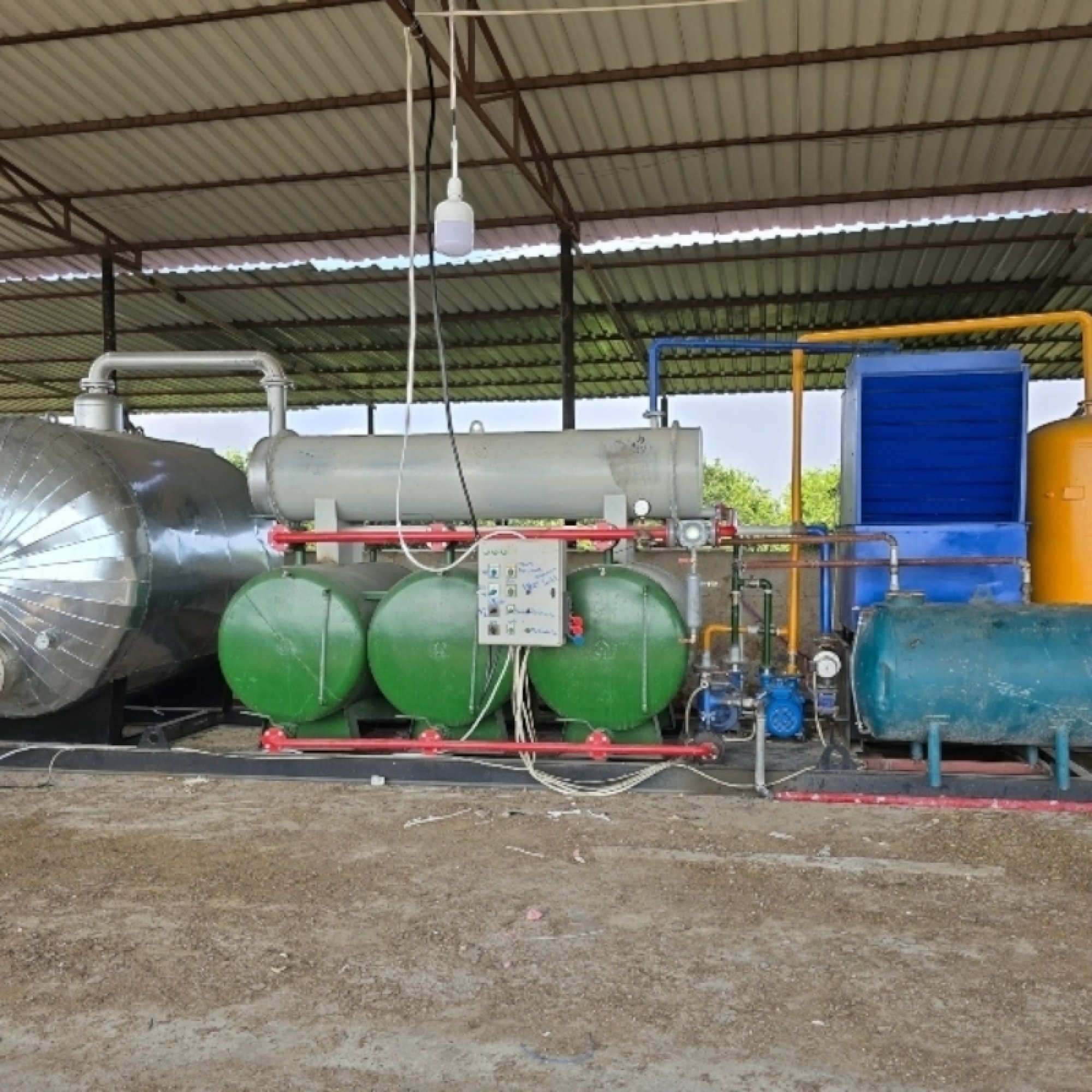
HK Makine manufactures fully integrated used mineral oil re-refining plants that convert waste motor oil, industrial oil, and transformer oil into API Group I base oil (SN150, SN300, SN500) via vacuum distillation technology. Neutralization unit, hydrofinishing, filter press, and PLC automation included. Turnkey delivery worldwide from our Gaziantep factory.

1 – 100+ Ton/Day SN150 / SN300 / SN500 Vacuum Distillation Neutralization Unit 85–92% Efficiency Turnkey Delivery
Gaziantep Factory | Base Oil Production | Motor Oil – Industrial Oil – Transformer Oil | Vacuum Distillation | Worldwide Delivery
1 – 100+
Ton/Day
Processing
Capacity
80–85%
Base Oil
Average
Yield
SN150
SN500
Product
Quality
15+
Years Industry
Experience
Plant Overview

What Is a Used Mineral Oil Recycling Plant?

A used mineral oil recycling plant (also called a re-refinery or lube oil regeneration plant) processes spent motor oil, transmission oil, hydraulic oil, transformer oil, and other mineral-based industrial oils through pre-treatment, vacuum distillation, and finishing stages to produce re-refined base oil meeting API Group I specifications (SN150, SN300, SN500).

HK Makine re-refining plants employ multi-stage purification technology that raises the flash point to standard levels, eliminates color and odor defects, reduces acid number to near zero, and restores viscosity index to commercial base oil levels. The process prevents environmental pollution while generating high-value products from waste materials.

Environmental Impact: Re-refining 1 liter of waste oil requires only 1 liter of waste feedstock. Producing equivalent virgin base oil from crude oil requires 44 liters of crude. Re-refining is the most energy-efficient and environmentally sound option for used oil management.

Regulatory Note: In most countries, unlicensed disposal of used oil is subject to heavy environmental fines. A licensed recycling plant converts this legal obligation into a profitable business model with strong raw material supply.

Output Product Analysis

Products Obtained from Used Oil Recycling — Distribution Chart

Per 100 tons of used mineral oil processed, the following average product distribution is achieved. Actual yields vary with feedstock quality, process configuration, and finishing method.

100 Tons
Used Oil
Output
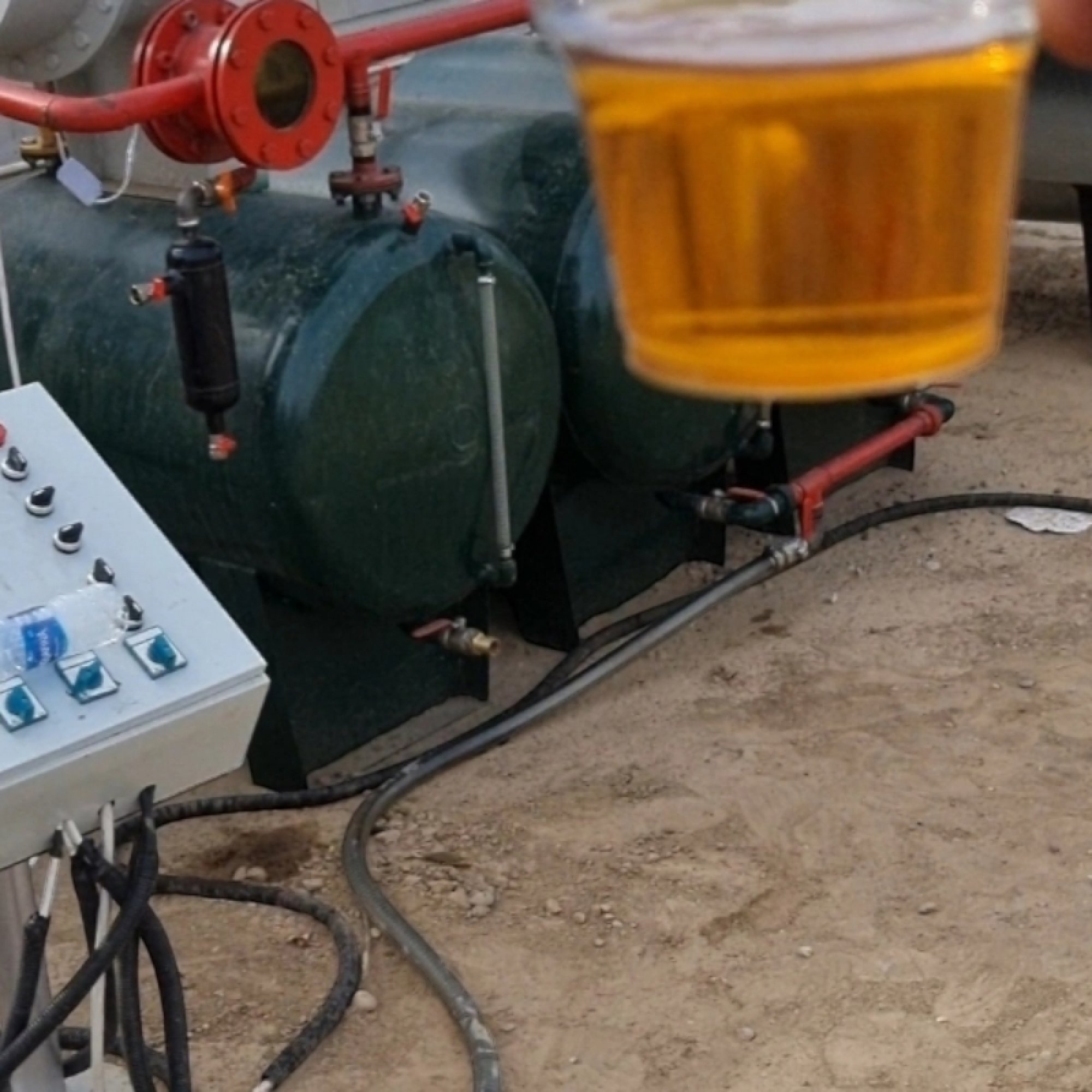
Base Oil (SN150 + SN300 + SN500)
Main product — marketable API Group I base oil, lubricant formulation feedstock
80%
Diesel / Gasoil Fraction
Usable as boiler fuel or diesel blending feedstock
5%
Bitumen / Fuel Oil (Heavy Residue)
Sold to asphalt plants, cement kilns, or as heavy fuel oil
10%
Water & Chemical Waste
Water separated in pre-treatment, acid clay, and chemical sludge — licensed disposal
5%

Base Oil Quality Analysis — Typical Values

Scroll right to view all columns

Parameter SN 150 SN 300 SN 500 Test Method
Kinematic Viscosity (40°C, cSt)28–3555–6595–110ASTM D445
Viscosity Index>90>90>90ASTM D2270
Flash Point (°C, COC)>180>210>230ASTM D92
Pour Point (°C)<-12<-9<-6ASTM D97
Color (ASTM)<1.5<2.0<2.5ASTM D1500
Total Acid Number (mgKOH/g)<0.05<0.05<0.05ASTM D664
Sulfur Content (ppm)<1500<1500<1500ASTM D4294
Metal Residue (Fe, ppm)<5<5<5ICP-OES
Density (15°C, g/cm³)0.862–0.8700.868–0.8760.872–0.882ASTM D4052
Values are typical product specifications. A quality certificate is issued for each production batch.
Process Flow

Used Oil Re-Refining Process — Step by Step

1

Feedstock Reception & Pre-Storage

Used oils are received from collectors or industrial facilities and stored in stainless steel or polymer-lined tanks. Portable analyzers perform rapid quality checks for water content, metal contamination, and viscosity.

2

Pre-Treatment — Water & Solids Removal

The feedstock is heated to 80–100°C. Free water, emulsions, and coarse solids are removed by centrifugal or gravity separators. This step significantly extends the service life of downstream equipment and prevents efficiency losses.

3

Atmospheric Pre-Distillation — Light Ends Removal

Heated to 150–220°C under atmospheric or mild vacuum conditions, residual water, gasoline, and diesel fractions are stripped from the oil. This step reduces the load on the vacuum column and optimizes energy consumption throughout the plant.

4

Vacuum Distillation Column

The heart of the process. Under high vacuum (1–10 mbar) at 280–360°C, different viscosity fractions (SN150, SN300, SN500, and heavy residue) are separated in a short-path or packed vacuum column with sharp cut points. High vacuum prevents thermal cracking and maximizes color and odor quality of the base oil fractions.

5

Neutralization Unit

Distillate fractions are treated with NaOH or Na₂CO₃ solution to eliminate organic acids and reduce Total Acid Number (TAN) to below 0.05 mgKOH/g. This critical step corrects color, removes acidic compounds, and ensures final product stability. Base oil produced without neutralization is not commercially accepted by lube blenders.

6

Hydrofinishing or Acid-Clay Treatment

Final color and odor polishing is performed by either activated clay (fuller's earth) treatment or catalytic hydrofinishing under hydrogen pressure. Hydrofinishing is cleaner and more environmentally friendly; acid-clay treatment offers lower capital investment while still delivering marketable product quality.

7

Filter Press & Final Filtration

The product passes through a clay filter press or membrane filter to remove residual suspended solids, clay particles, and traces of treating agents. 1–5 micron filtration achieves the bright, clear appearance expected by base oil buyers.

8

Quality Control Laboratory & Storage

Each production batch is tested for viscosity, flash point, color, acid number, and metals before release. Certified products are transferred to stainless steel storage tanks ready for customer delivery.

Feedstock

All Mineral Oil Types That Can Be Processed

Engine & Transmission Oils

  • Gasoline and diesel engine oil
  • Heavy-duty truck and bus engine oil
  • Manual and automatic transmission oil
  • Differential and axle oil
  • Motorcycle engine oil

Transformer & Electrical Oils

  • Transformer insulating oil (IEC 60296)
  • High-voltage switchgear oil
  • Capacitor oil
  • Cable filling oil
  • Reactor cooling oil

Metalworking & Process Oils

  • Cutting and machining oil
  • Rolling and cold-forming oil
  • EDM (wire erosion) dielectric fluid
  • Heat treatment and quenching oil
  • Mold release and press oil

Textile & Other Mineral Oils

  • Textile finishing and spinning oil
  • Concrete form release agent
  • Plastic processing oil
  • Wood impregnation oil
  • General mineral-based industrial lubricants

Important: Chlorinated solvents, PCB-containing oils, biological contaminants, and synthetic ester-based lubricants are NOT suitable for this process. Feedstock analysis is mandatory before commissioning.

Base Oil End Uses

Where Is Re-Refined Base Oil Used?

Lubricant Manufacturing

  • Motor oil formulation feedstock
  • Hydraulic oil production
  • Gear and transmission oil blending
  • Grease manufacturing base
  • Compressor oil production

Industrial & Chemical Sector

  • Metalworking fluid component
  • Textile finishing oil
  • Concrete form release agent
  • Plastic processing lubricant
  • Industrial lubricant additive base

Rubber & Polymer Sector

  • Rubber process oil
  • Tire manufacturing extender oil
  • Polymer plasticization component
  • Cable sheath softener
  • Foam filling oil

Construction & Infrastructure

  • Asphalt layer plasticization
  • Bitumen flux agent
  • Waterproofing membrane base
  • Pipeline external coating oil
  • Concrete release application
Technical Details

Flash Point & Neutralization: Why They Matter

What Is Flash Point and Why Is It Critical for Base Oil?

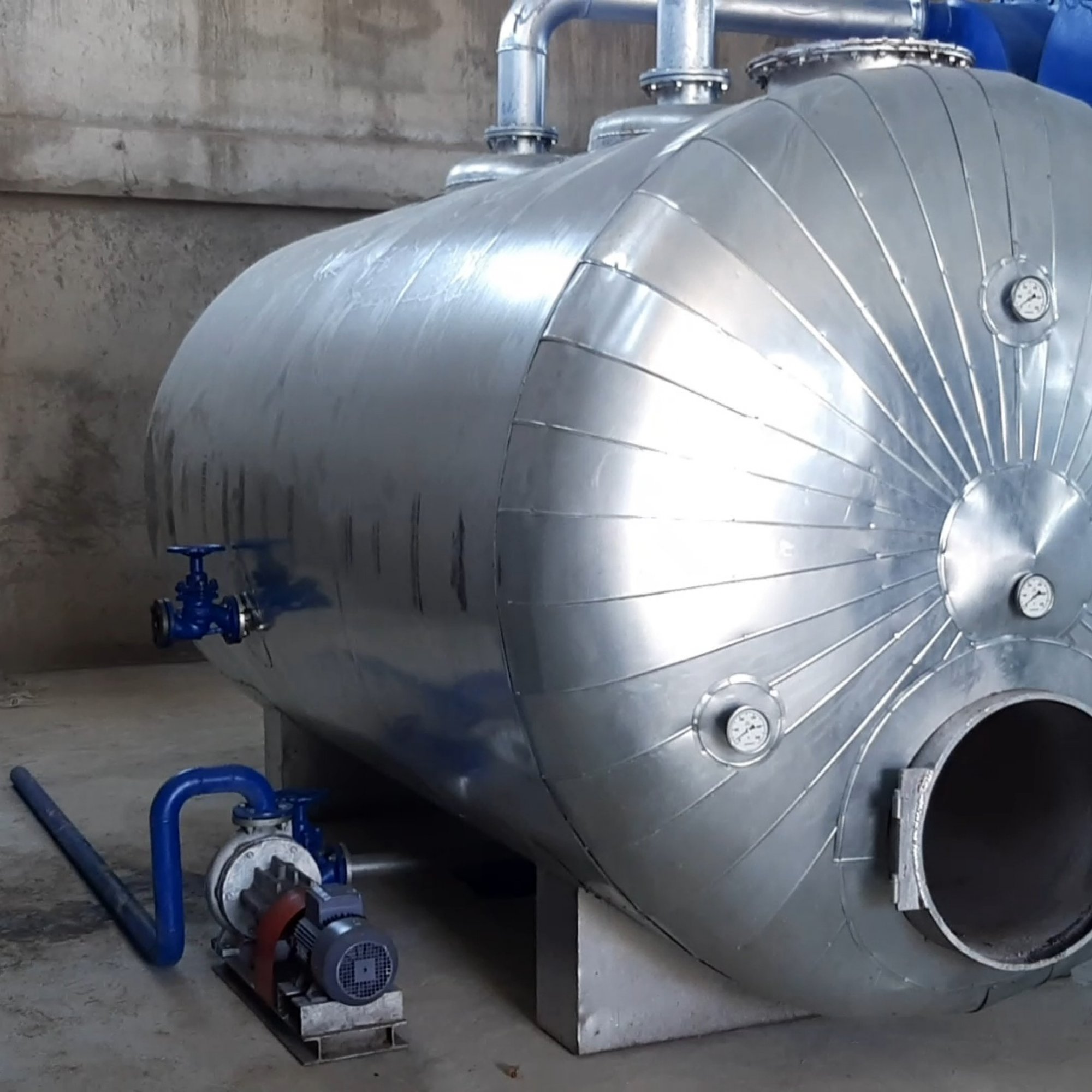
The flash point is the minimum temperature at which oil vapors form an ignitable mixture with air. In used oils, a low flash point indicates contamination by gasoline, diesel, or solvents — creating a fire hazard and making the oil unsuitable for base oil buyers. HK Makine plants raise the flash point of SN150 to above 180°C and SN500 to above 230°C through pre-distillation. A high flash point signals quality, safe handling, and long service life.

Why Is a Neutralization Plant Essential?

Oxidative degradation of engine and industrial oils produces organic acids (naphthenic acids, fatty acids). These acids cause metal corrosion, viscosity increase, and shortened oil service life. The neutralization unit reacts the distillate with NaOH or Na₂CO₃ to bring the Total Acid Number (TAN) to below 0.05 mgKOH/g — an absolute requirement for acceptance by lube blenders. Base oil produced without neutralization fails API Group I specification and cannot be sold to commercial buyers.

Viscosity Index (VI) and Product Quality

Viscosity Index measures a lubricant's resistance to viscosity change with temperature. A high VI (>90) means the oil maintains consistent performance in both cold and hot conditions. Base oil fractions from vacuum distillation naturally carry high VI, making them preferred by motor oil and hydraulic oil manufacturers as a cost-effective and sustainable alternative to virgin base oil.

Metal & Additive Residue Management

Used motor oils contain iron, copper, aluminum, and lead from engine wear, plus degraded additive by-products. Vacuum distillation concentrates these metals in the heavy residue fraction, keeping base oil fractions clean. The subsequent filter press stage reduces metal content to below 5 ppm — meeting API Group I purity requirements.

Capacity & Pricing

Plant Capacities & Price Guide (2025–2026)

Scroll right to view all columns

Capacity (Ton/Day) Process Type Included Units Approx. Price (USD) Lead Time
1 – 3 Ton/DayVacuum Distillation + ClayBoiler + Column + Filter$25,000 – $50,00035–45 days
3 – 10 Ton/DayVacuum + NeutralizationFull Set + Pump + Panel$45,000 – $115,00045–60 days
10 – 30 Ton/DayVacuum + Neutralization + HFTurnkey + Automation$105,000 – $250,00060–90 days
30 – 100 Ton/DayFull Re-Refining LineTurnkey + SCADA + Lab$230,000 – $500,00090–150 days
Prices vary with feedstock quality, automation level, and accessory options. Contact us for a firm quotation.

Custom Plant or Turnkey Project?

HK Makine undertakes special engineering projects for:

  • Large industrial re-refinery projects above 50 ton/day
  • Specialized transformer oil purification lines (PCB analysis included)
  • Dual-line (parallel unit) redundant systems for uninterrupted operation
  • ATEX / Ex-proof hazardous area configurations
  • Mobile (containerized) waste oil treatment units
  • Integrated multi-process lines with crude oil mini-refinery
Call for Custom Projects: +90 536 037 3281
Why HK Makine?

HK Makine Plant Advantages

High Base Oil Yield

80–85% base oil recovery with optimized vacuum conditions

API Group I Quality

Marketable SN150–SN500 grade meeting international standards

Neutralization Included

Integrated neutralization unit reduces TAN to near zero

Low Operating Cost

Heat recovery exchangers minimize energy consumption

PLC Automation

Touchscreen HMI, PLC control, and remote monitoring system

Environmental Compliance

Exhaust gas treatment, wastewater neutralization, clay disposal included

Turnkey Delivery

Installation, commissioning, and operator training included

Worldwide References

Operating plants in Turkey, Central Asia, Middle East, and Africa

FAQ

Frequently Asked Questions

What is the price of a used mineral oil recycling plant?
Depending on capacity (ton/day), process technology, and automation level, prices range from approximately USD 25,000 to USD 500,000. Contact us for a free quotation at +90 536 037 3281 or via WhatsApp.
What is base oil and which standards does it meet?
Base oil is the primary raw material for all lubricant products — motor oil, hydraulic oil, grease, etc. HK Makine plants produce API Group I base oil (SN150, SN300, SN500) that is accepted by commercial lube blenders worldwide.
Why is flash point important for re-refined base oil?
A low flash point means light contaminants (gasoline, solvents) are still present in the oil — creating safety hazards and disqualifying the product from commercial sale. Our pre-distillation step removes these fractions, raising flash point of SN150 to above 180°C and SN500 to above 230°C.
How long does it take to recoup the investment?
Depending on processing capacity and local used oil/base oil price spreads, a 3 ton/day plant typically pays back within 18–36 months. The margin between used oil purchase price and base oil sale price, plus any recycling incentive payments, directly drives profitability.
Is an environmental permit required?
Yes. Environmental permits are mandatory in all countries for used oil re-refining facilities. HK Makine provides technical documentation and support for permit applications as part of the turnkey project scope.
What warranty and after-sales support is provided?
All plants are delivered with a 2-year manufacturing warranty. Free technical support is provided for 12 months after commissioning. Annual maintenance contracts covering periodic inspection, spare parts supply, and emergency response are available.
Can the plant be delivered internationally?
Yes. HK Makine has delivered and commissioned plants in the Middle East, Africa, Central Asia, and Europe. We provide full export documentation, international shipping coordination, and on-site commissioning by our engineering team.

HK Makine — Used Mineral Oil Recycling Plant Manufacturing

Base Oil Production Plant | Vacuum Distillation | Neutralization | Worldwide Delivery from Gaziantep, Turkey

+90 536 037 3281
Get a Quote via WhatsApp

Product Images