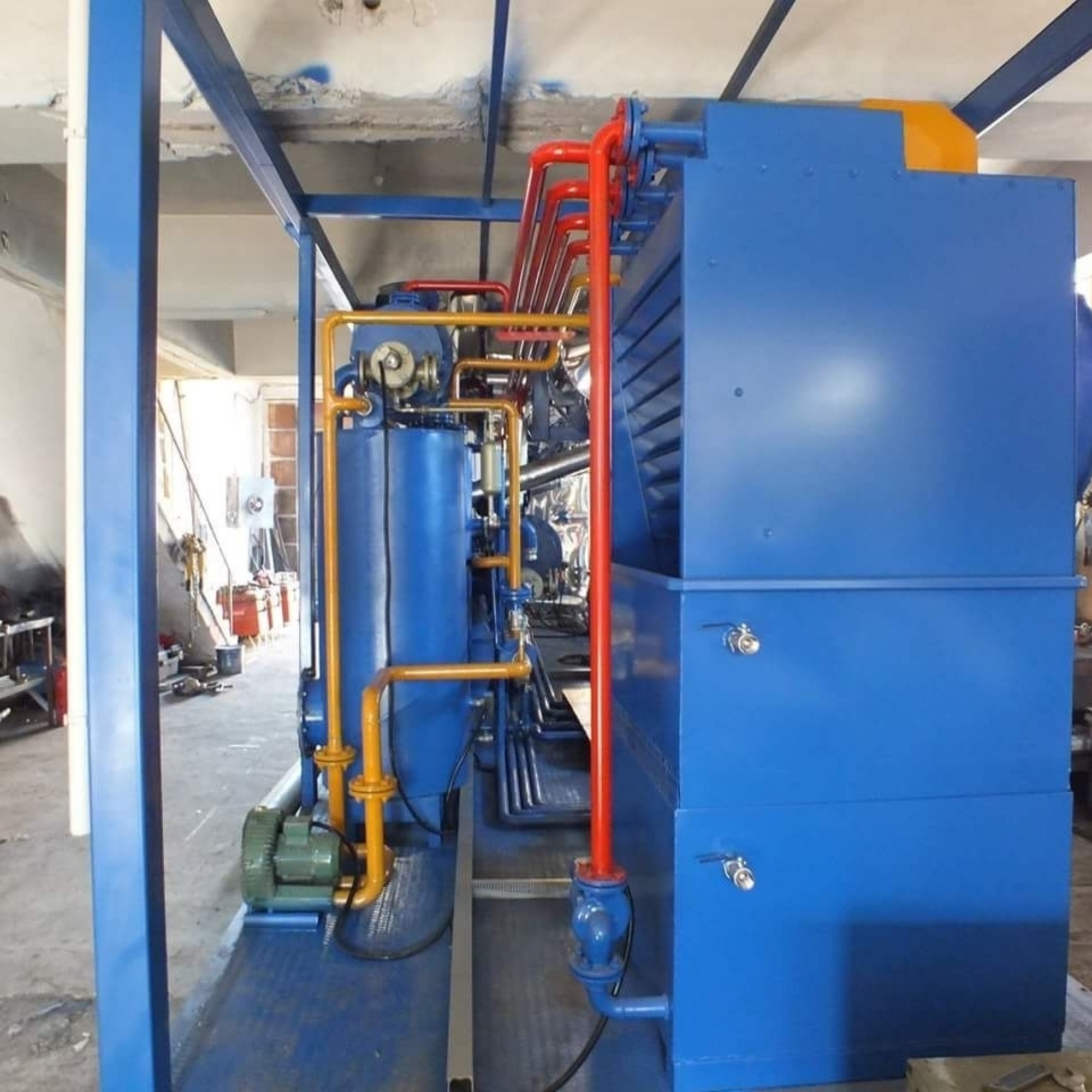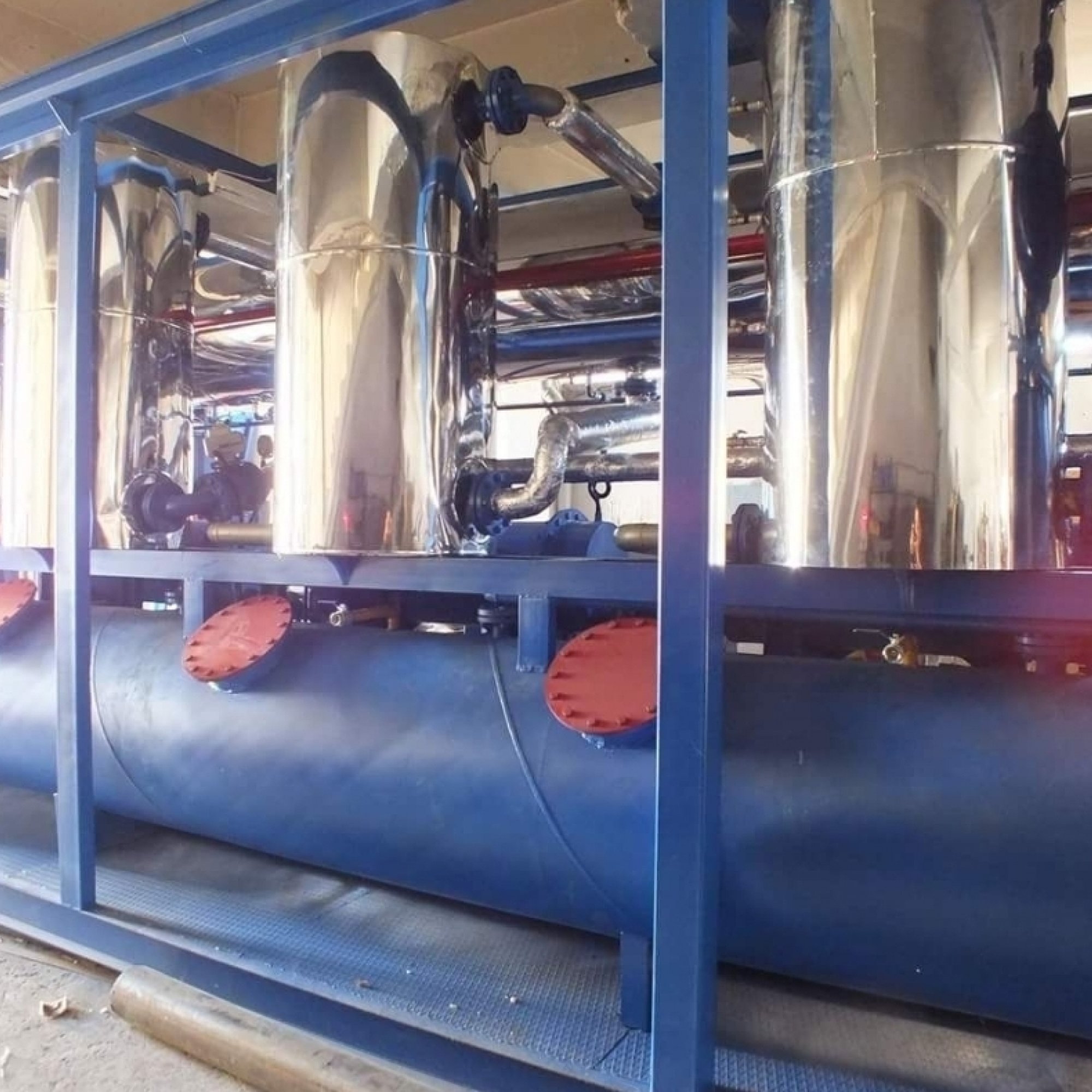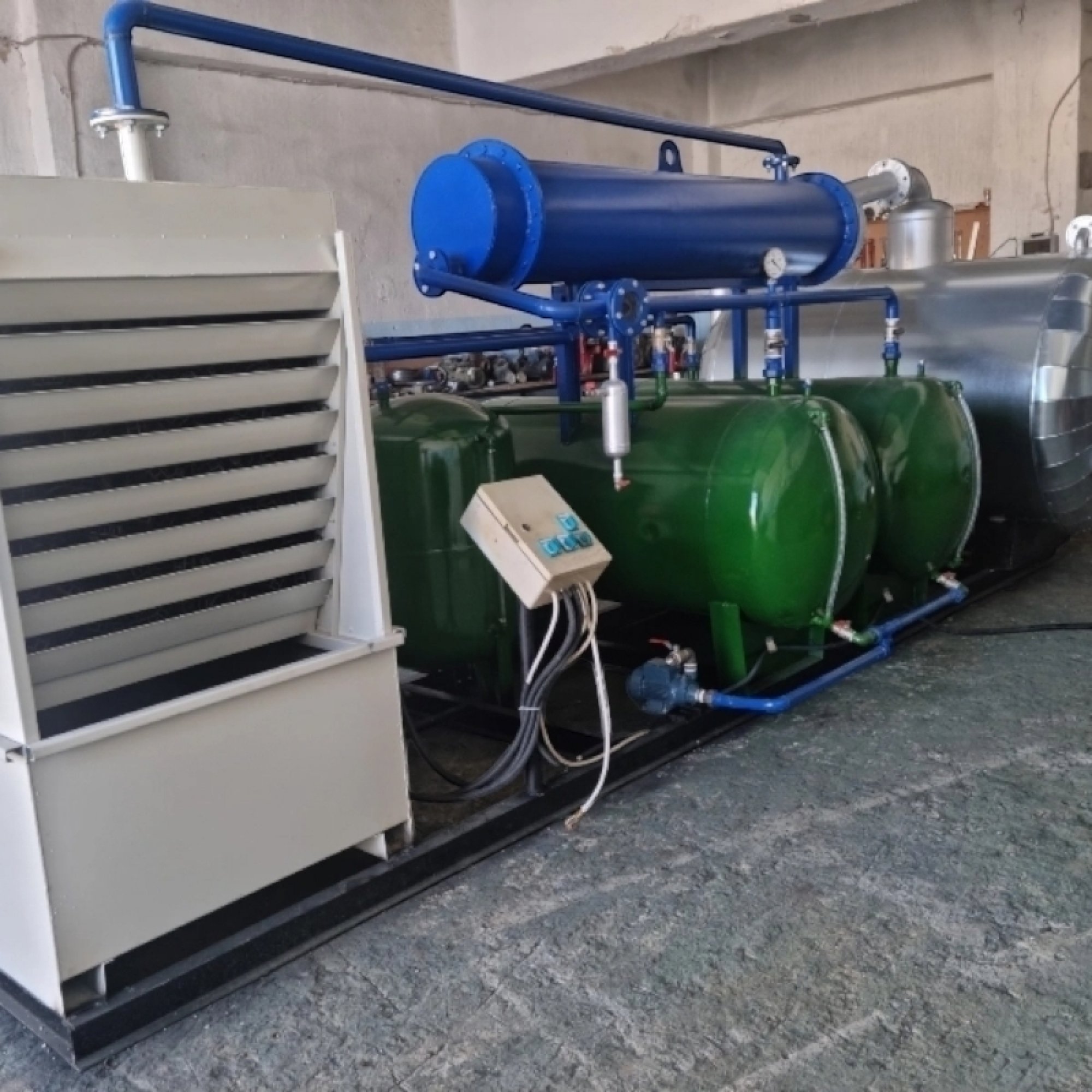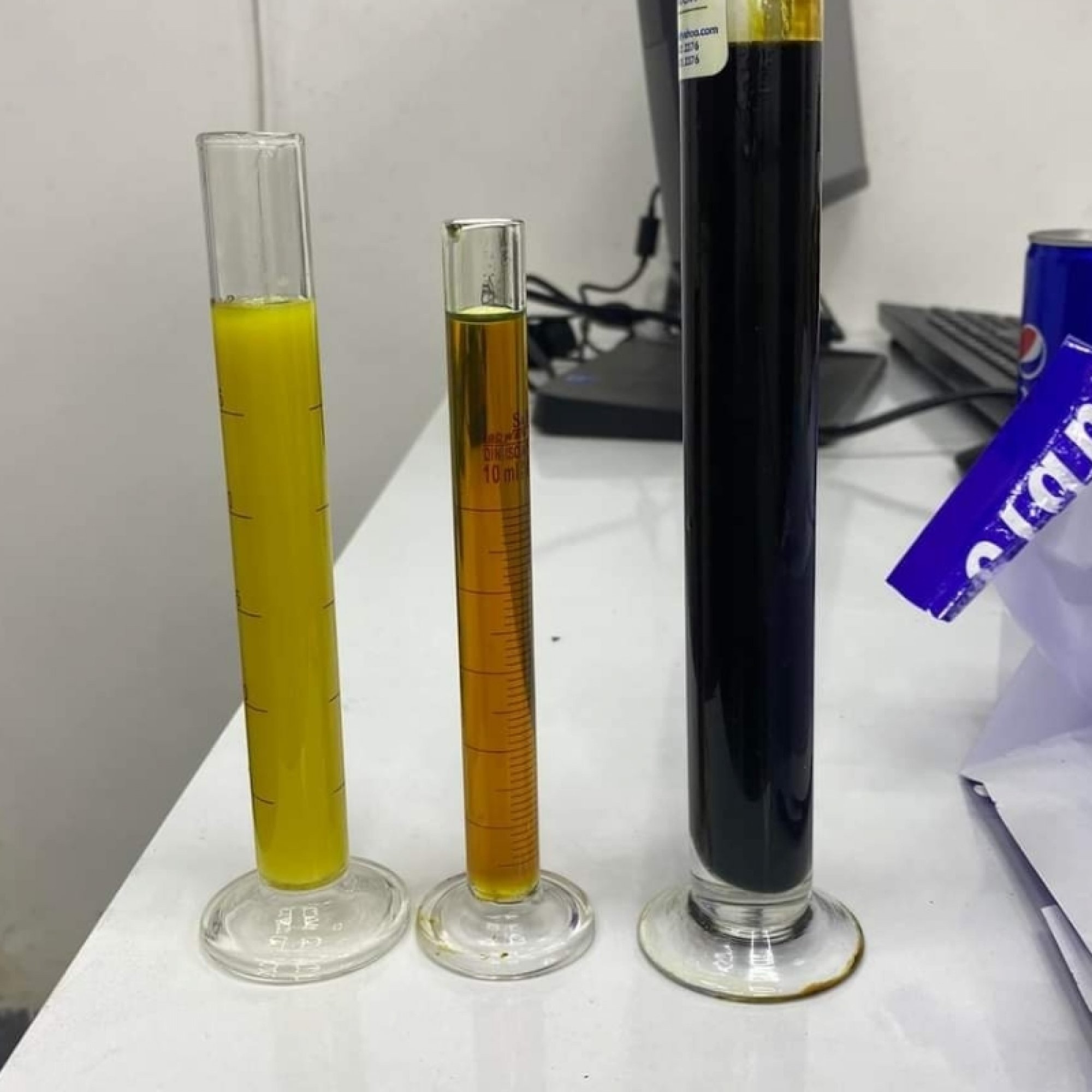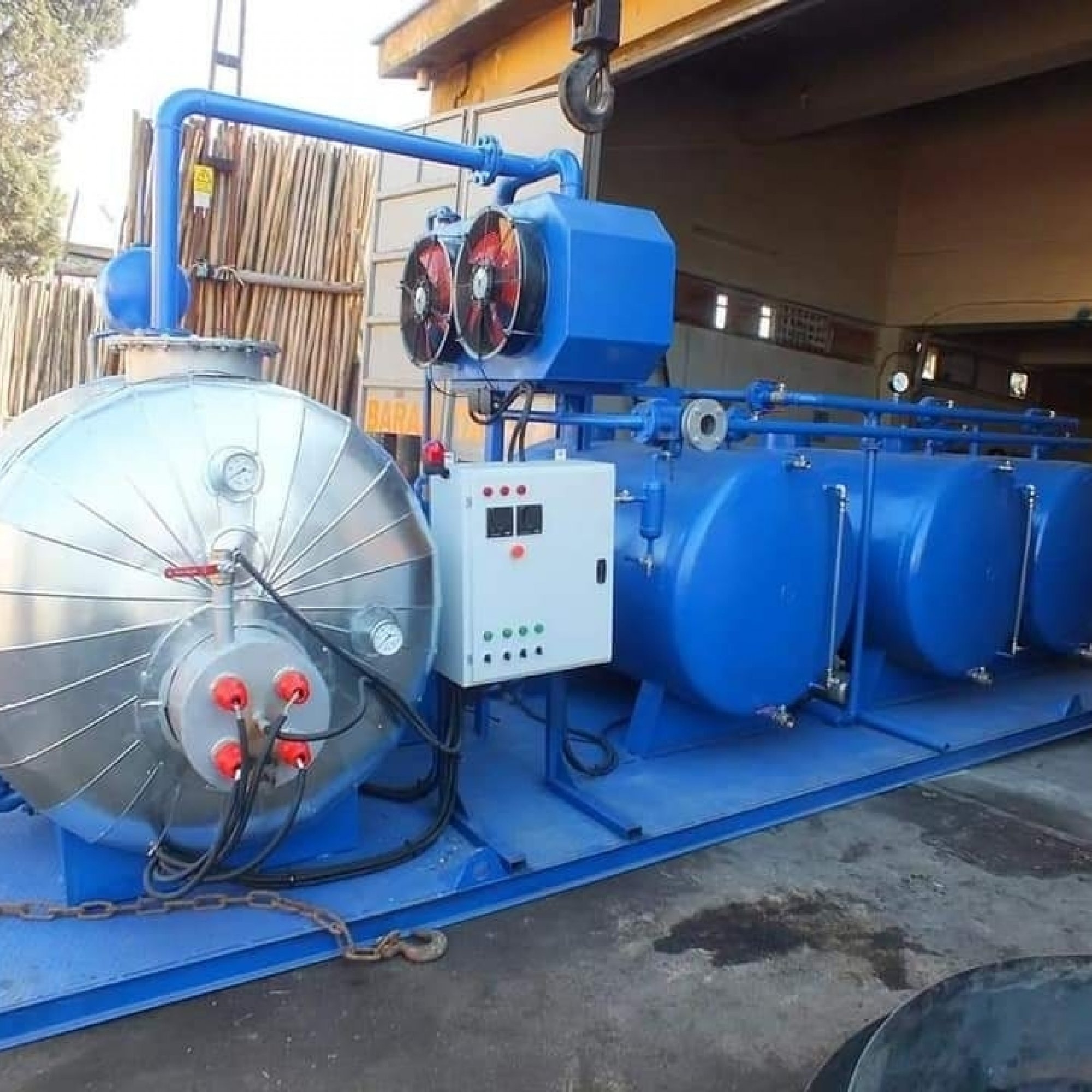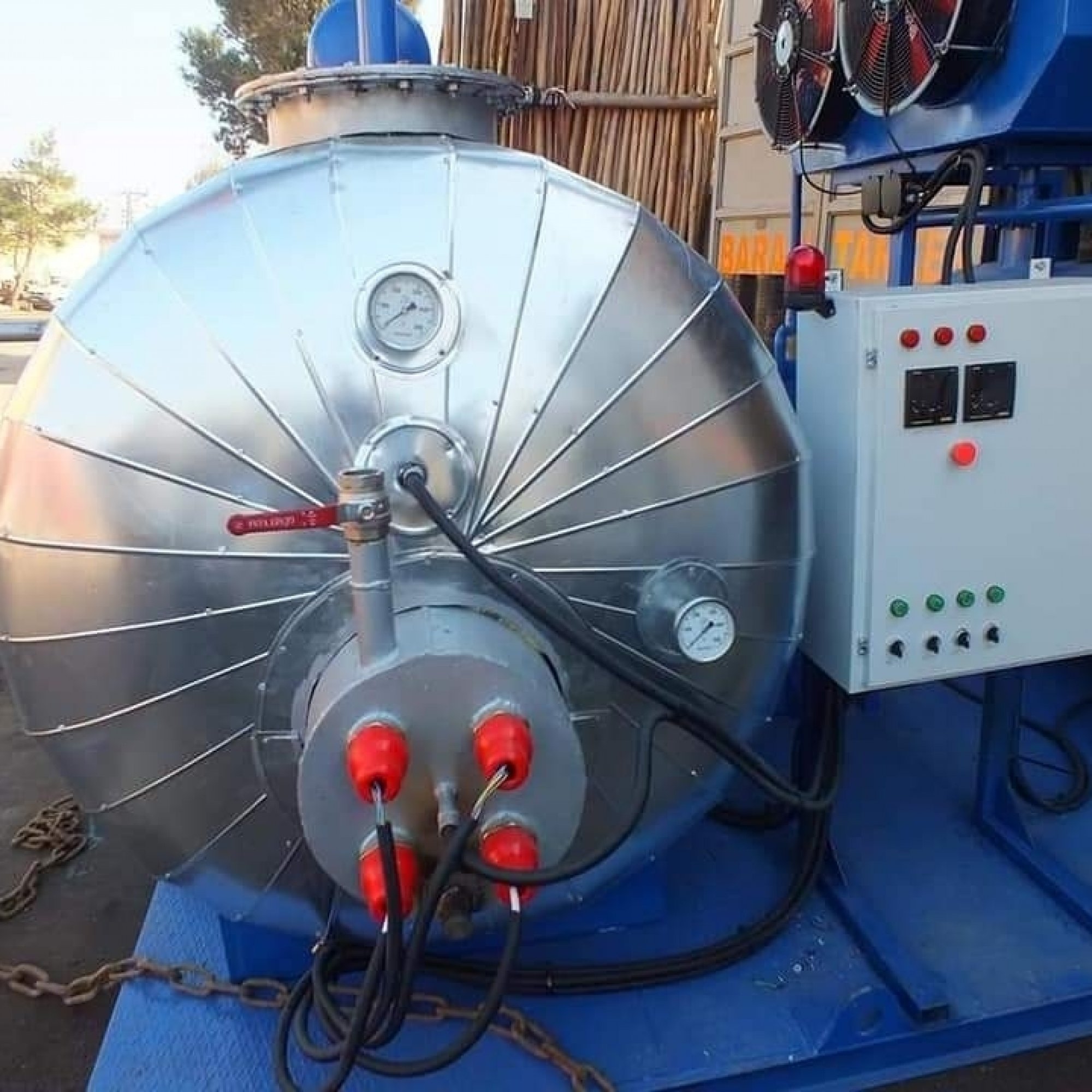
Crude Oil Refinery Plant Mobile

Crude Oil Refinery Plant Mobile

Product Images


Crude Oil Refinery Plant Mobile

Crude Oil Refinery Plant Mobile

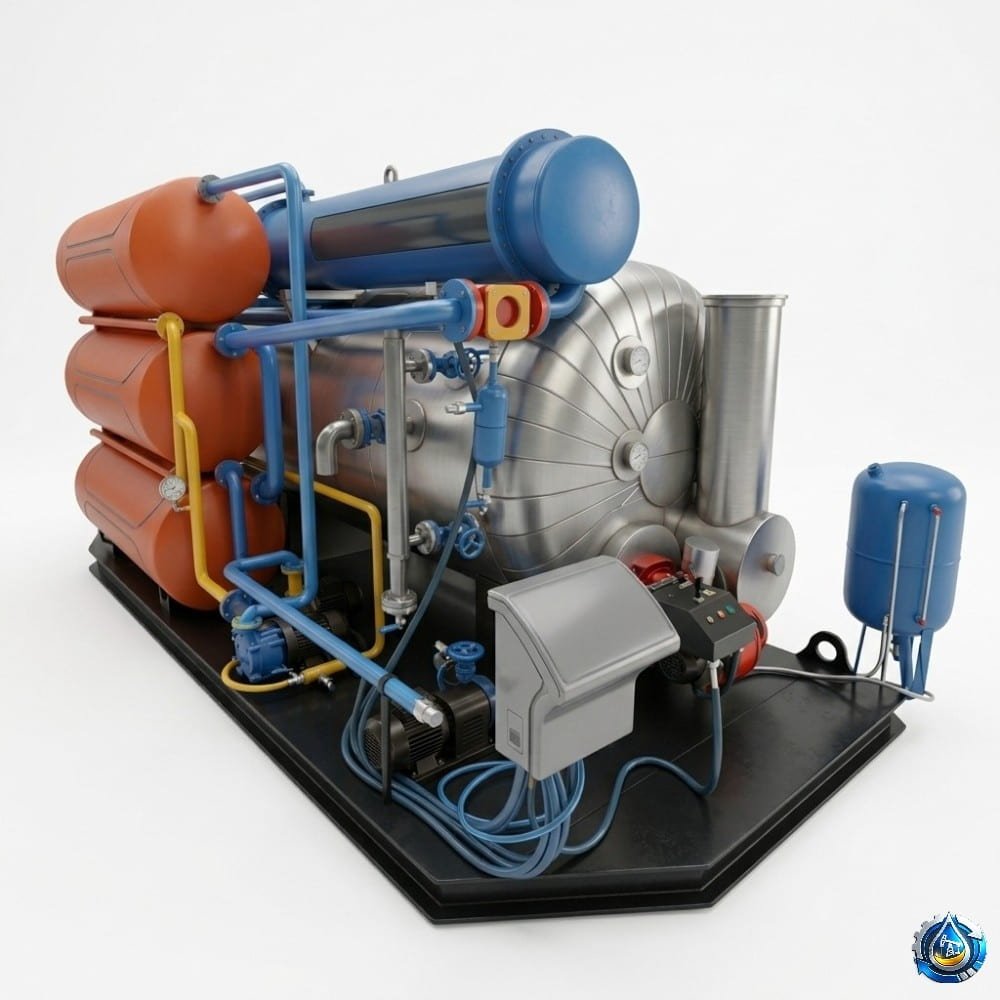
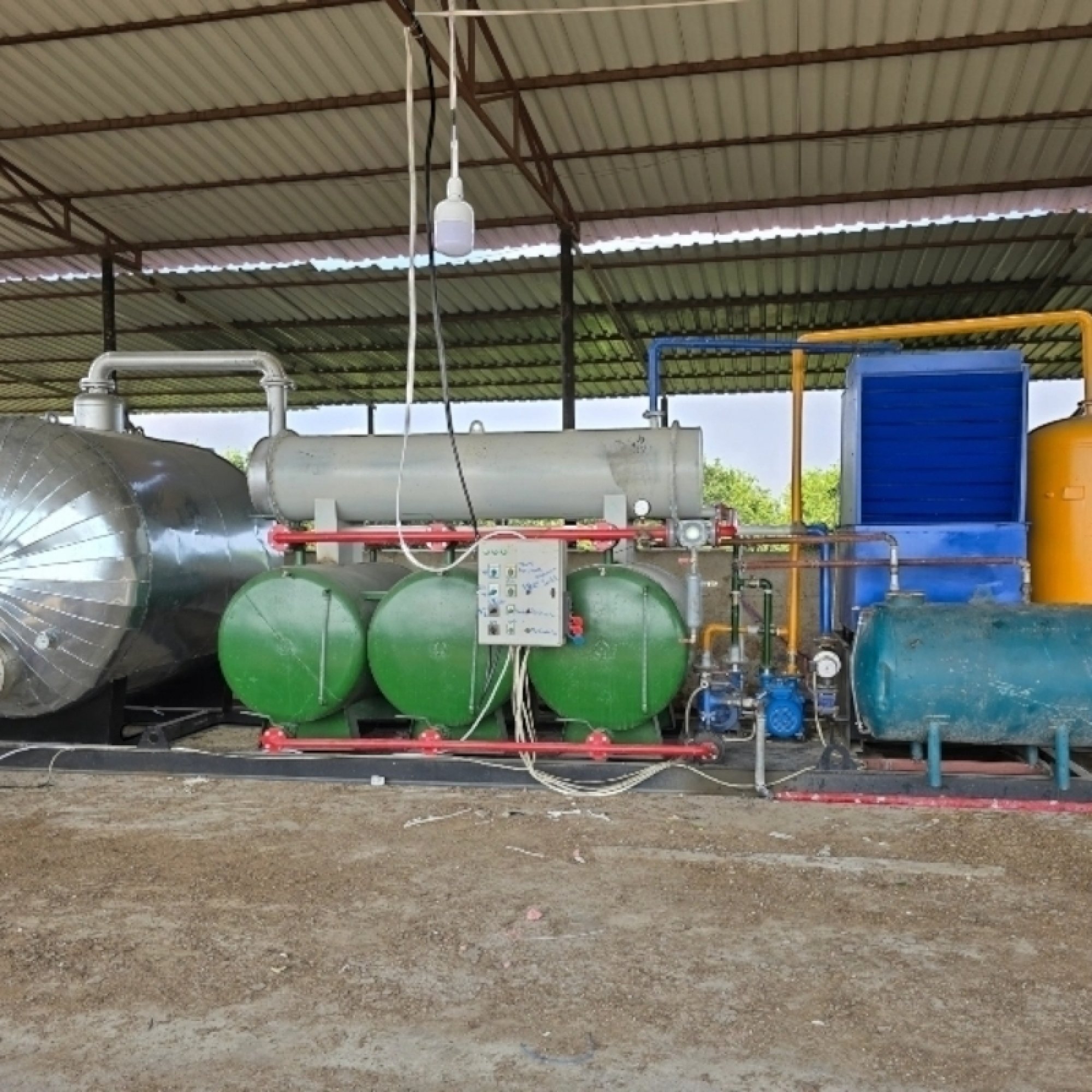
HK Makine stands out with its innovative solutions offered to the energy sector. Mobile crude oil refinery plants are particularly advantageous in regions with difficult access or where quick solutions are required. These plants enable the processing of crude oil on-site, yielding a variety of fuels and petrochemical products.   

Technical Details and Products Obtained;

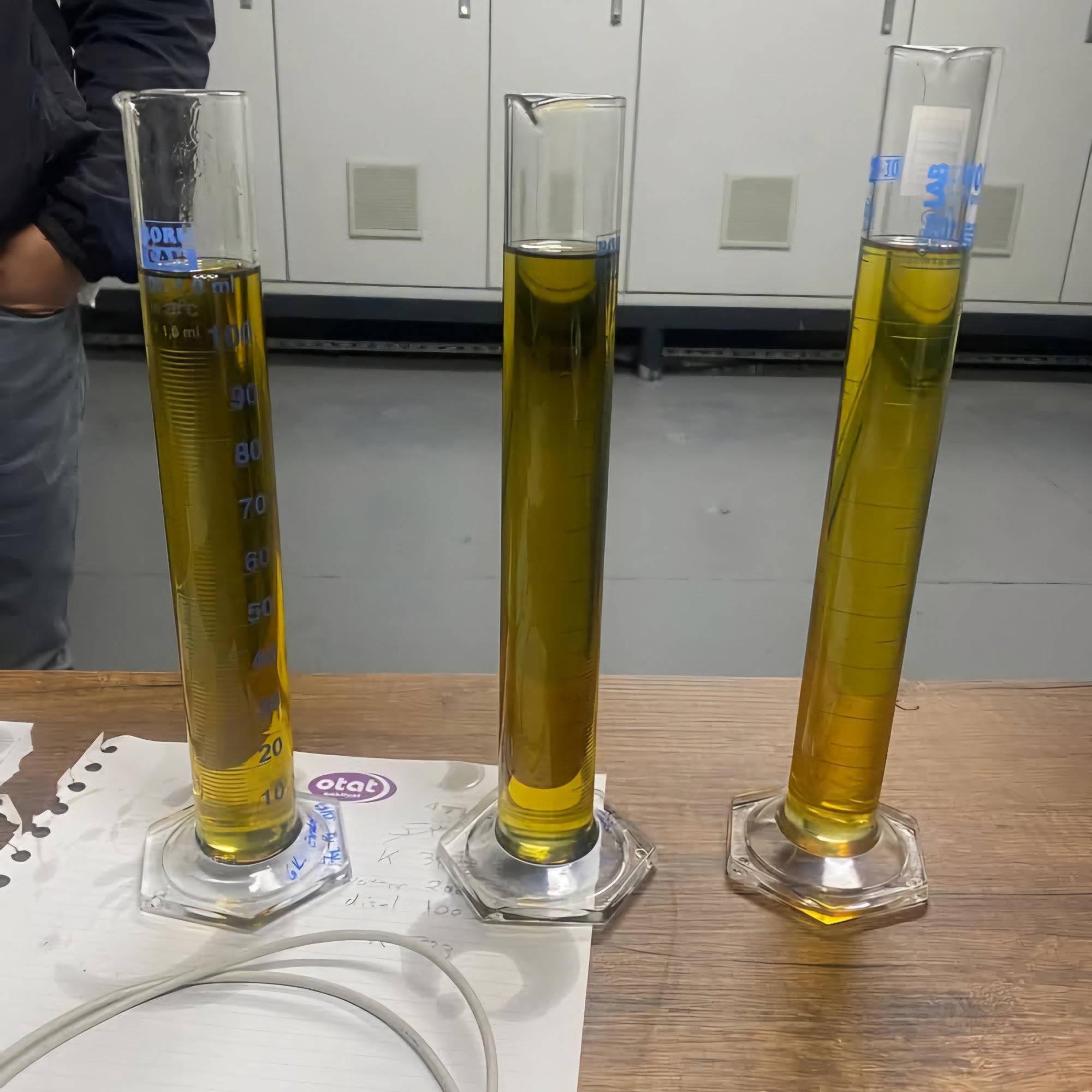
HK Makine's mobile refinery plants are modular structures equipped with modern technologies. In these plants, crude oil is separated into valuable products through physical and chemical processes, such as:

  • Gasoline: A widely used internal combustion engine fuel for automobiles.   
  • Diesel: An engine fuel used in trucks, buses, and heavy-duty vehicles.   
  • Jet Fuel: A type of fuel used in aircraft.   
  • LPG (Liquefied Petroleum Gas): A fuel and petrochemical feedstock used in homes, industries, and vehicles.   
  • Naphtha: A feedstock used in the production of petrochemical products such as plastics, synthetic fibers, and fertilizers.   
  • Asphalt: A binder used in road construction.   
  • Engine Oil: A fluid that lubricates the moving parts of engines to prevent wear.   
  • Bitumen: A substance used in roofing, waterproofing, and road construction.   
  • Paraffin: A substance used in the candle, cosmetic, and pharmaceutical industries.   

Capacity;

The capacity of the plants can be customized according to the amount of crude oil to be processed and the specific needs of the customer. Daily or hourly production capacity varies depending on the size of the plant and the technologies used.

Why HK Makine?

HK Makine has several distinguishing features in the field of mobile refinery plants:

  • Technology: It provides high efficiency and environmentally friendly production using the latest technologies.
  • Modular Design: The plants can be easily transported and installed to suit different needs.
  • Flexibility: It offers customizable solutions to meet customer needs.
  • Experience: It provides reliable service to customers with its long-standing experience in the sector.
  • Global Solution Partner: It is an international company that has delivered projects to many countries around the world.   

Technical Support and Spare Parts Supply;

HK Makine provides comprehensive technical support to its customers during the installation, commissioning, and maintenance processes of the plants. It also guarantees uninterrupted operation of the plants by providing fast and reliable spare parts supply.

Areas of Use;

Mobile crude oil refinery plants are widely used in the following areas:

  • Remote and inaccessible regions: In regions where there are oil resources but no refinery plants.
  • Military applications: To meet fuel needs in frontline areas or in emergency situations.
  • Disaster areas: To meet fuel needs after natural disasters.
  • Short-term projects: In projects that require fuel production for a specific period.

In Summary;

HK Makine's mobile crude oil refinery plants offer flexible, efficient, and environmentally friendly solutions to the energy sector. These plants can be customized for different regions and different needs. With its expert team and extensive service network, customers can ensure the long-term and efficient operation of their plants.

For more information, please contact HK Makine.

Additionally, if you would like more information on the following topics, please specify:

  1. Environmental impacts of the plants
  2. Safety measures
  3. Cost analysis
  4. Financing options

Product Images