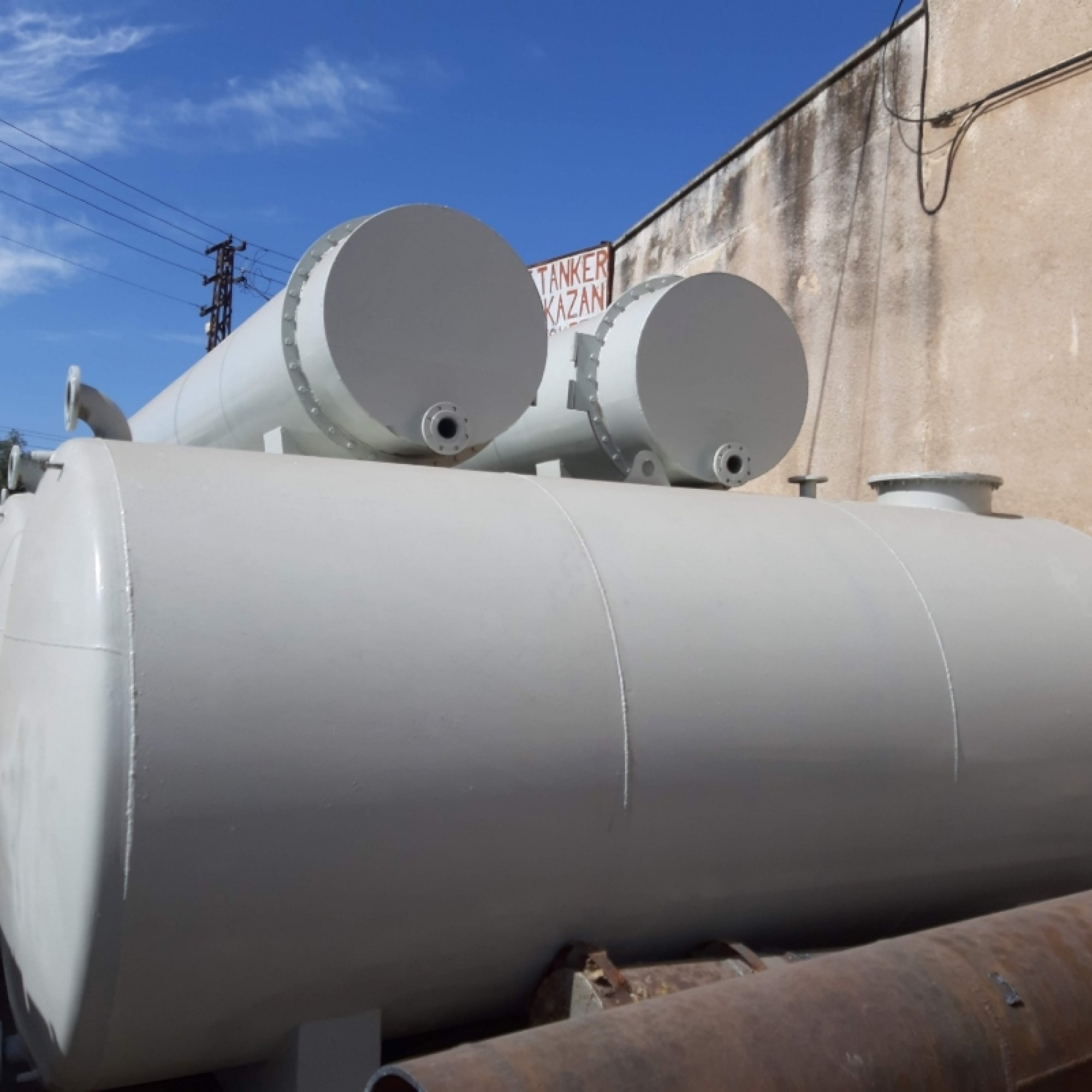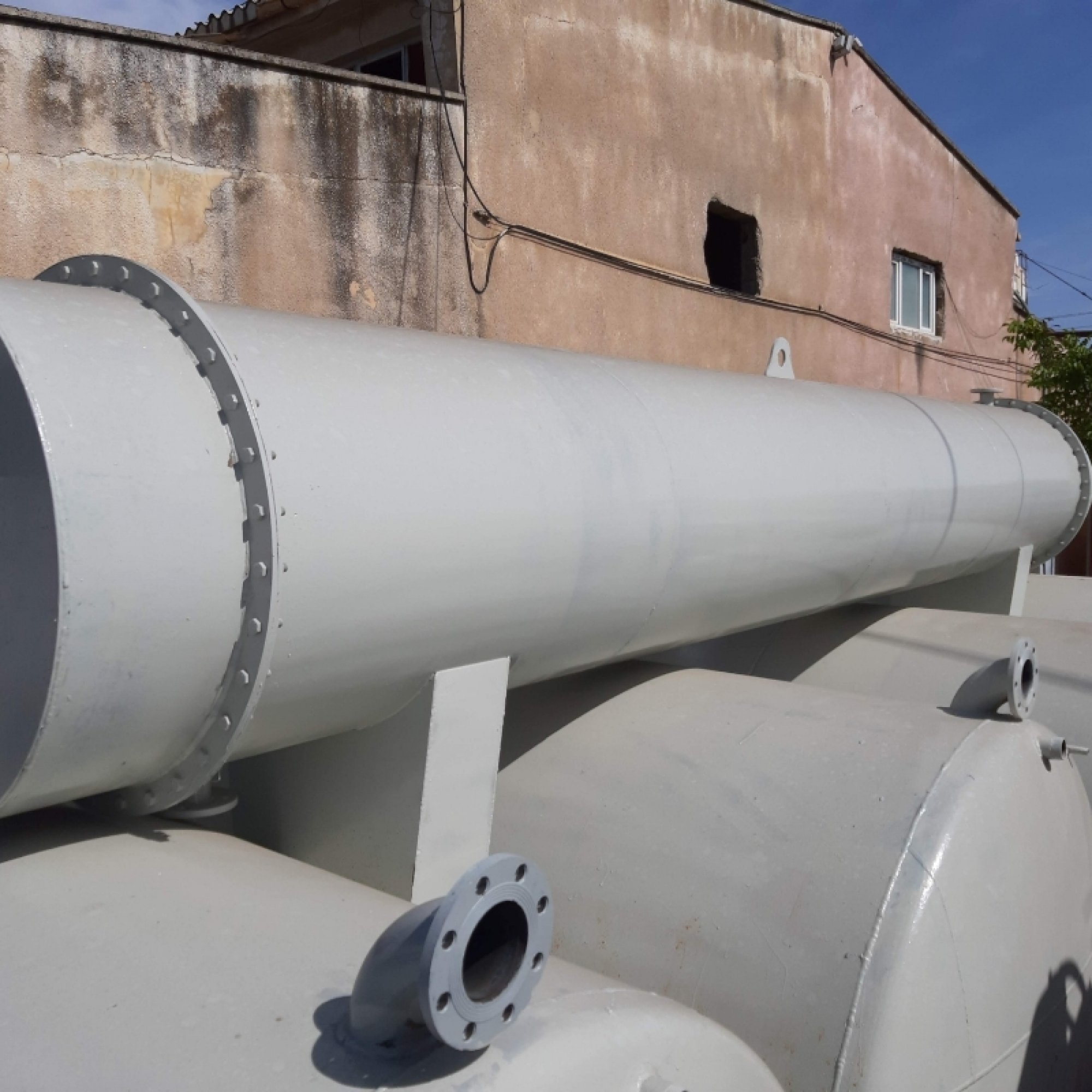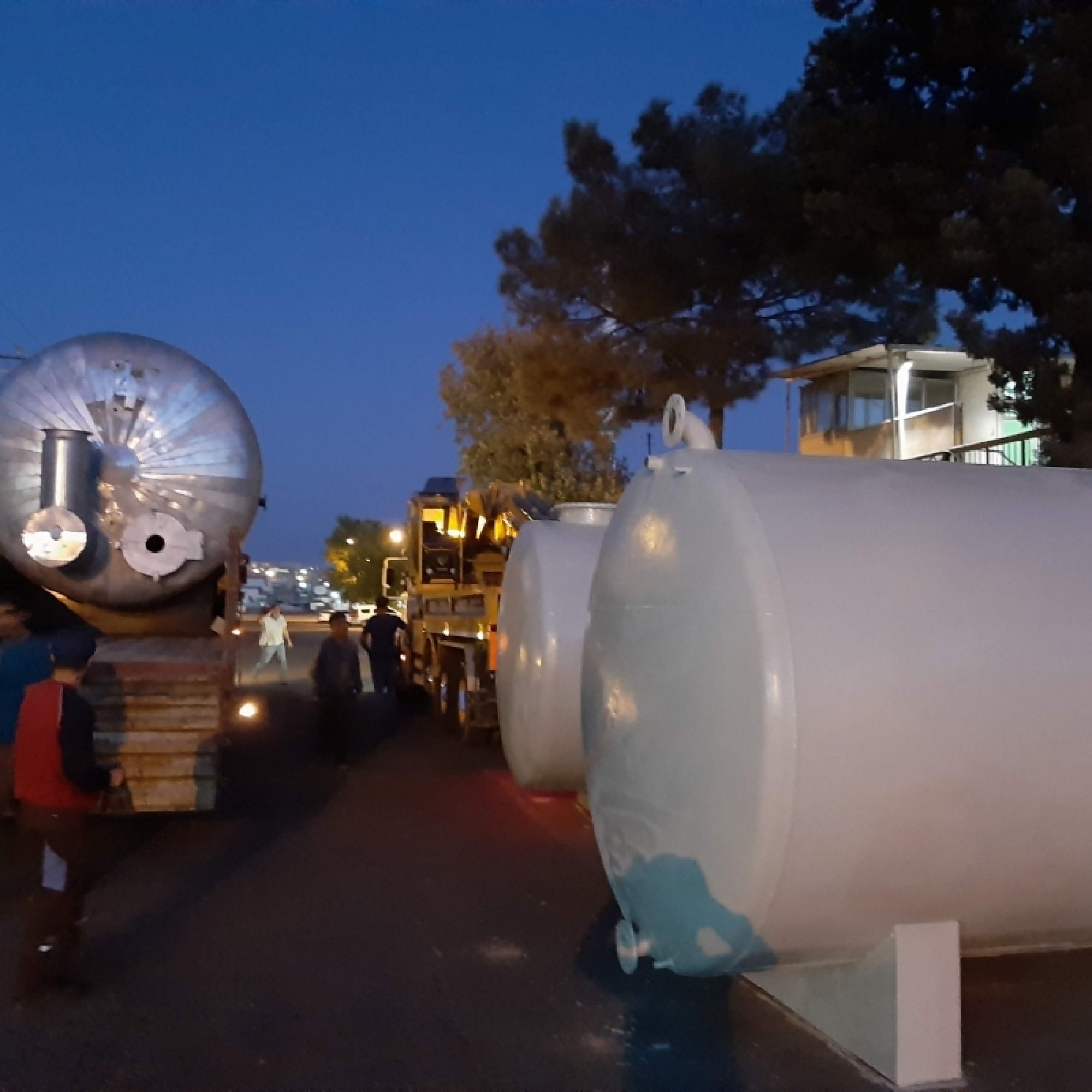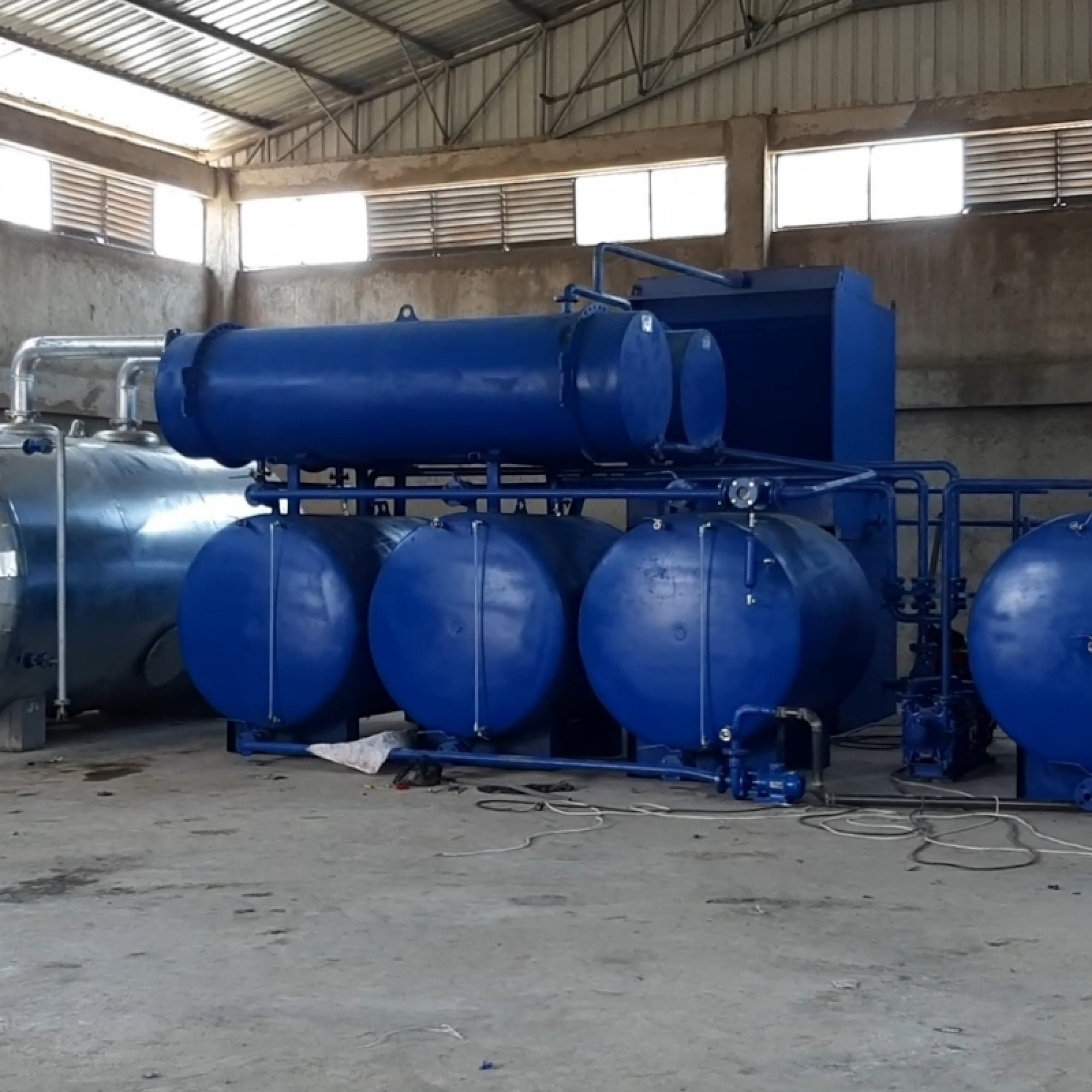
Waste Oil Recycling Machine

Waste Oil Recycling Machine

Product Images


Waste Oil Recycling Machine

Waste Oil Recycling Machine

Waste Oil Recycling Machine | Vacuum Distillation | HK Machine

Waste Oil Recycling Machine

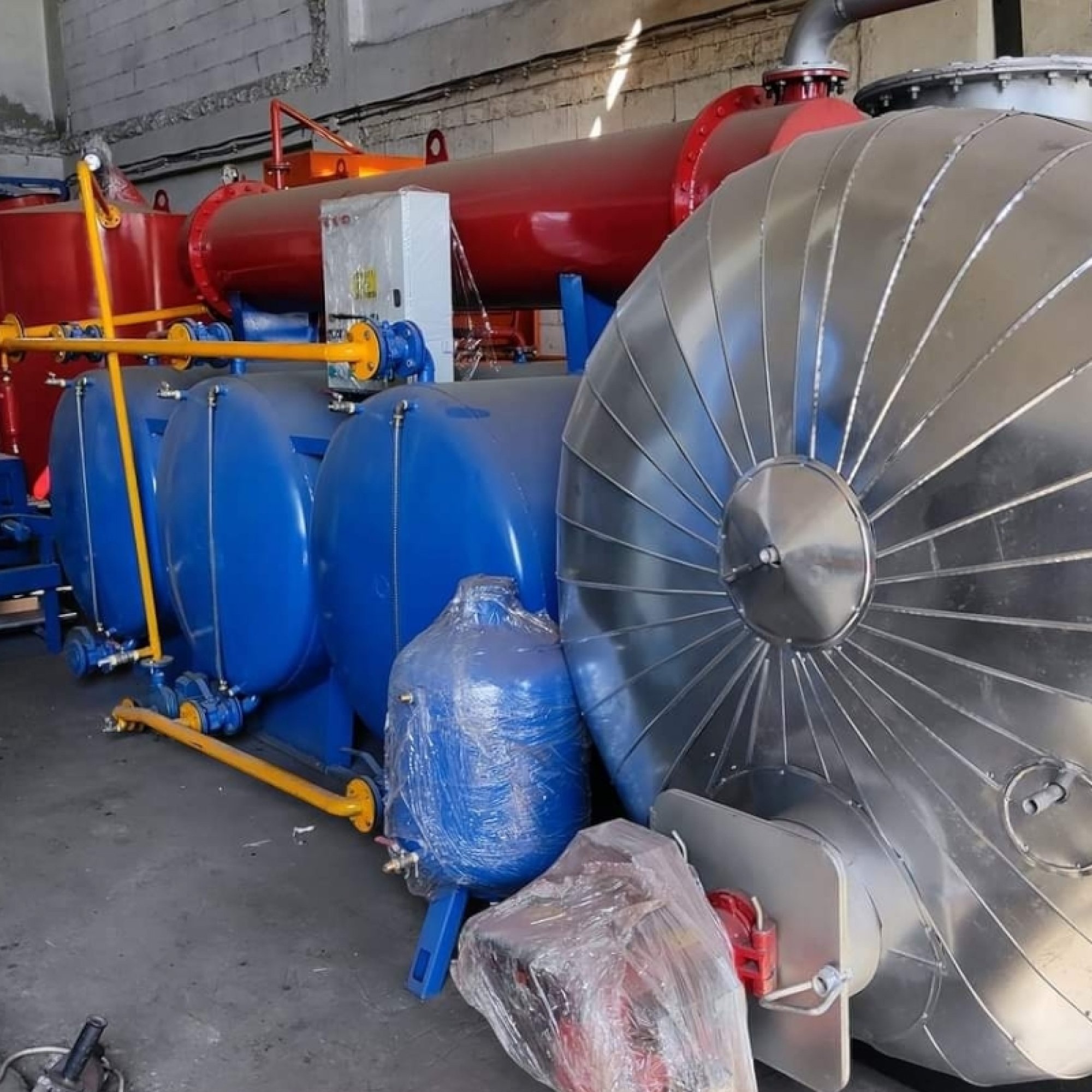
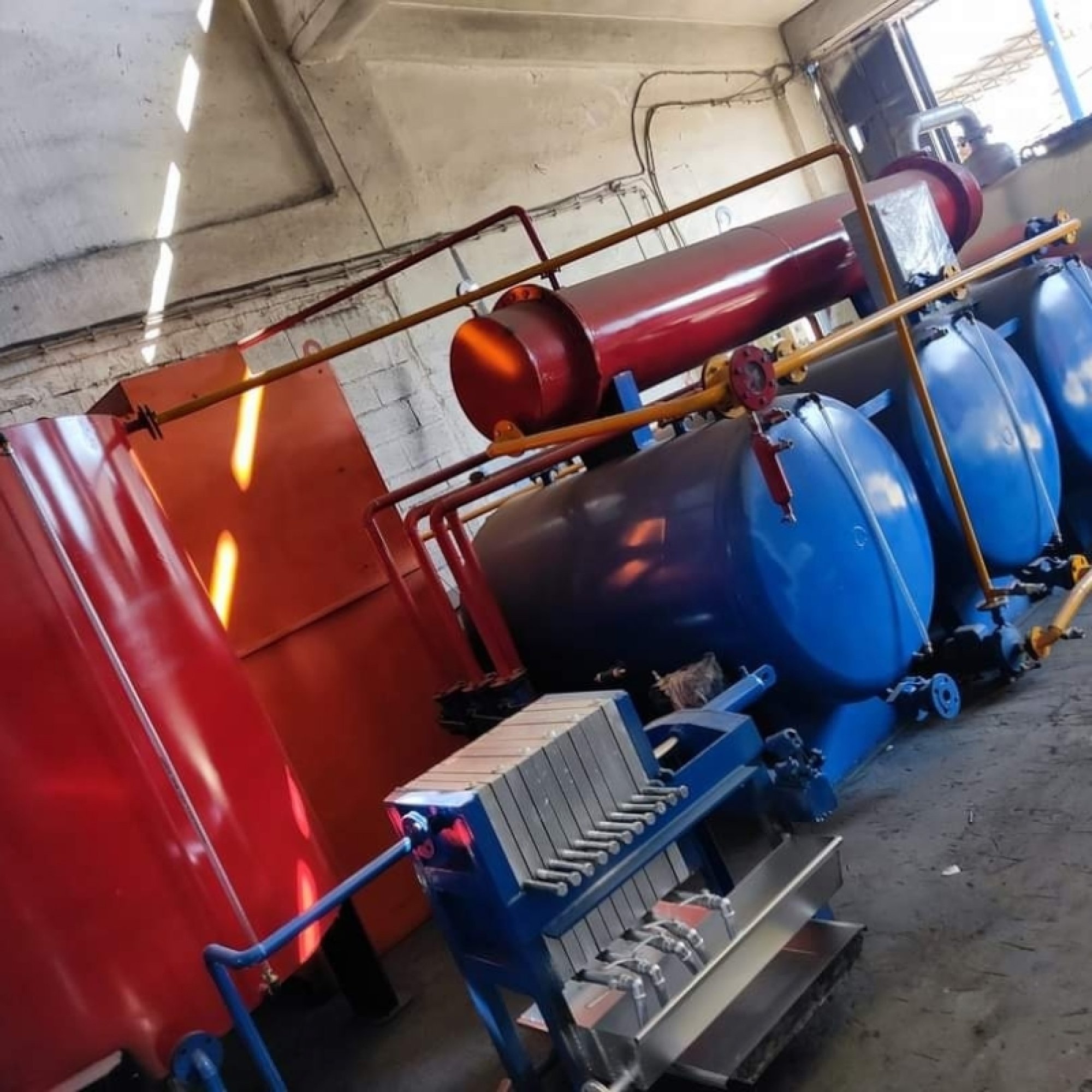
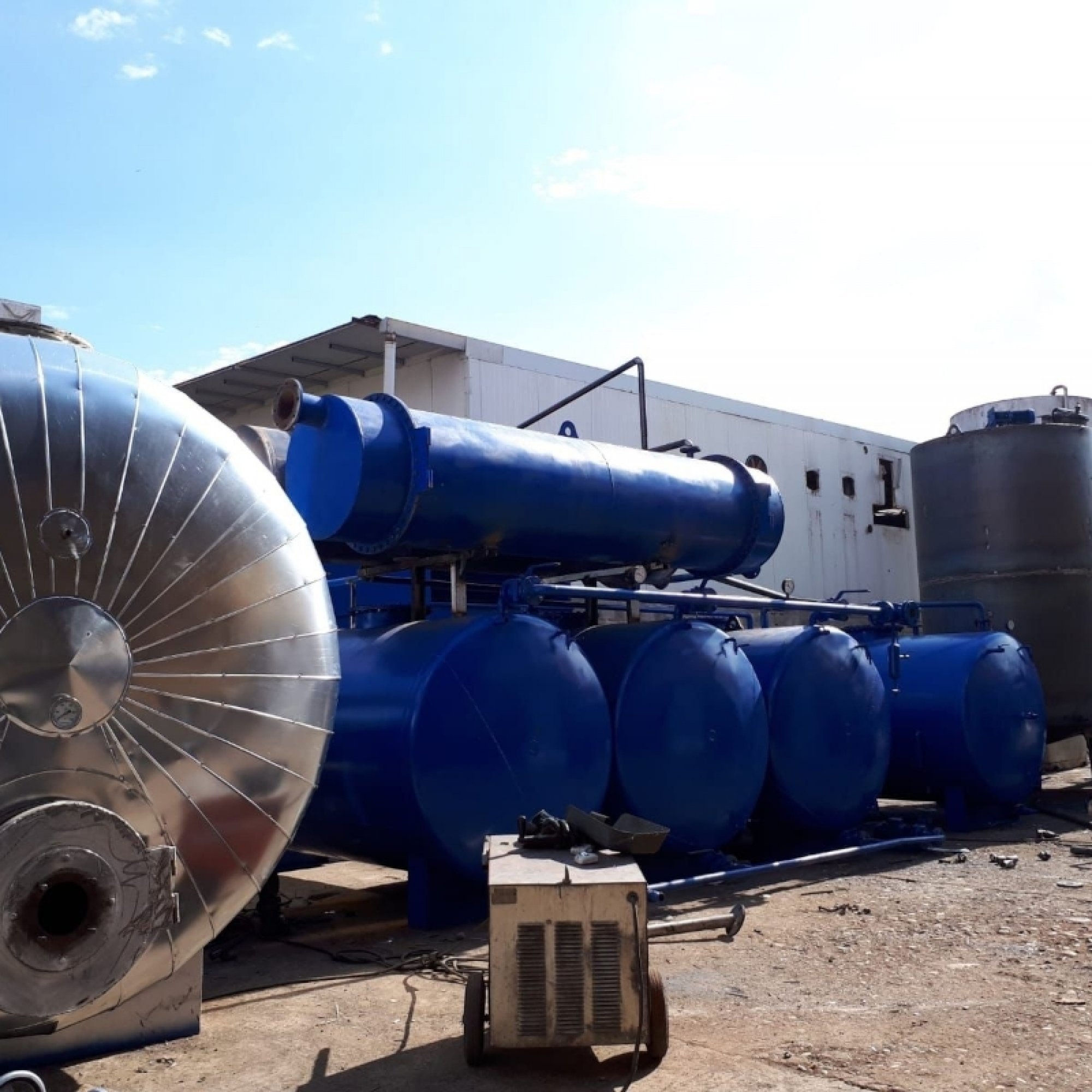
Transform black waste engine and industrial oils into high-value, golden base oil with HK Machine engineering. We design and build turn-key Batch distillation plants from 500 liters to 50,000 liters, providing investors with the fastest Return on Investment (ROI).

Batch Distillation System 500L - 50,000L Capacity Range Thermal Oil or Burner Heating Low Initial Investment Cost High Vacuum Distillation SN150, SN300, SN500 Production
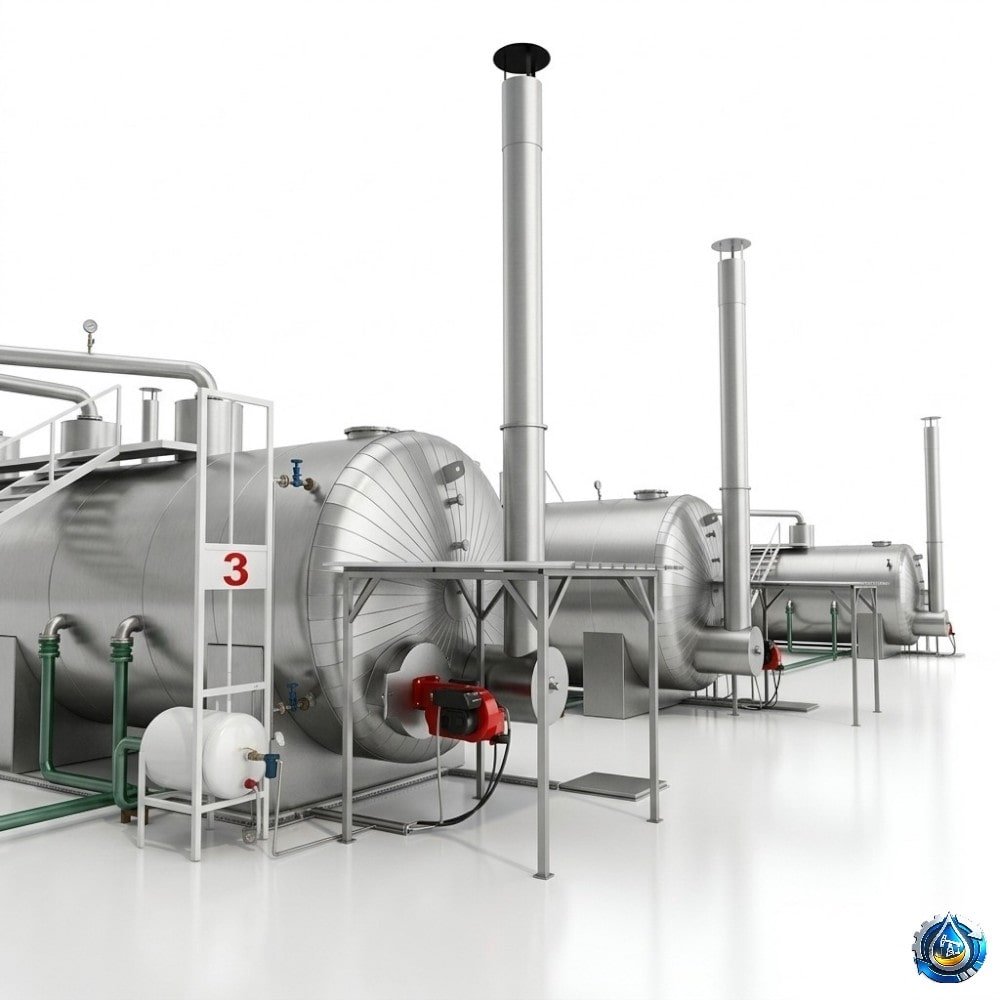
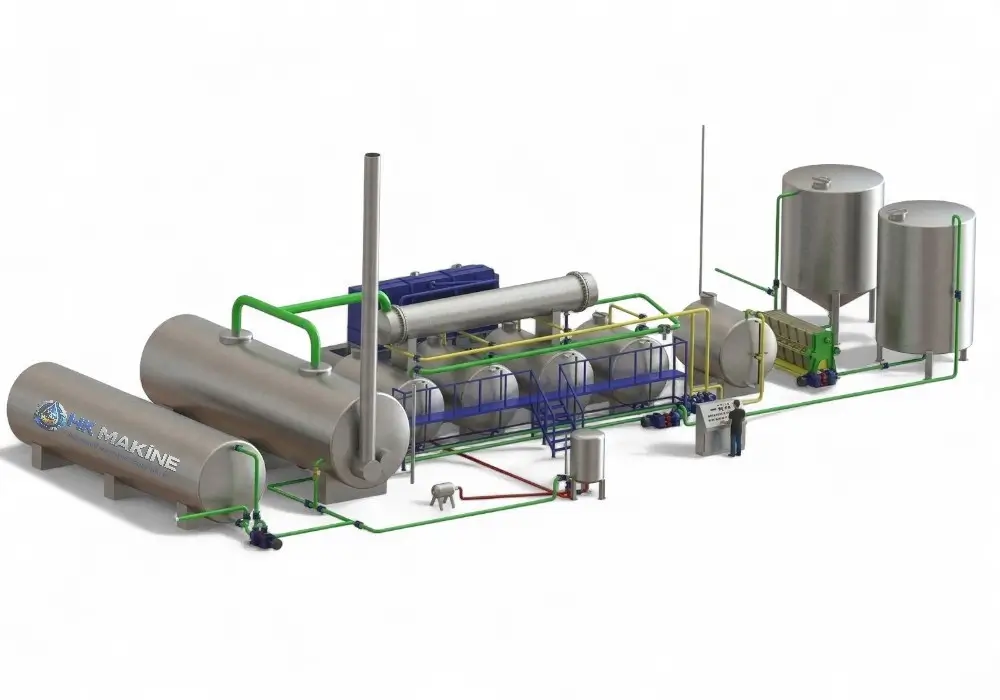
HK Machine Waste Oil Recycling Machine 3D Design Model
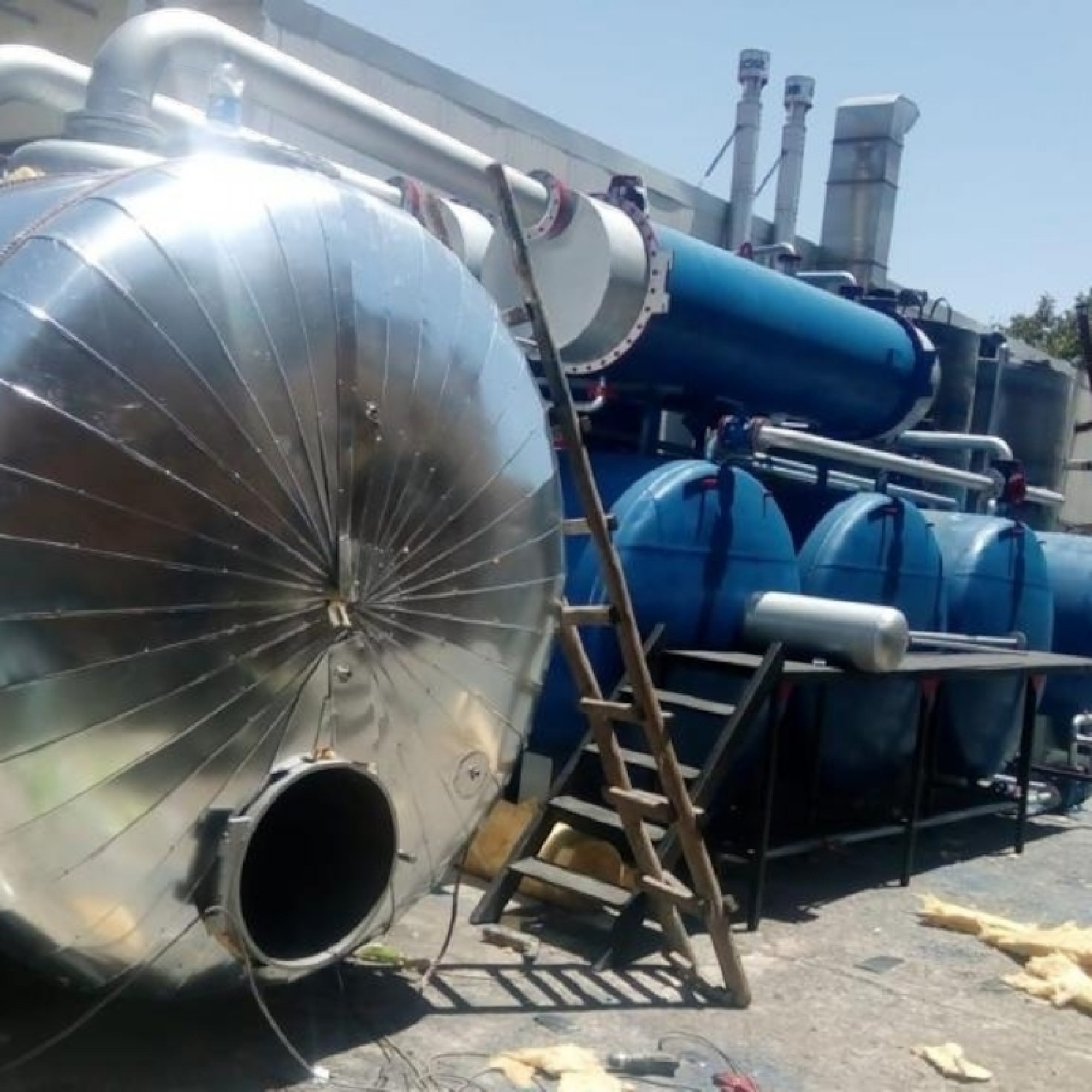
Gaziantep Factory Manufacturing | Batch Plant Installation | Global Operator Training | High-Efficiency Refining
500-50K
Liters Capacity
Batch Systems
Fastest
Return on Investment
Payback Period
80-85%
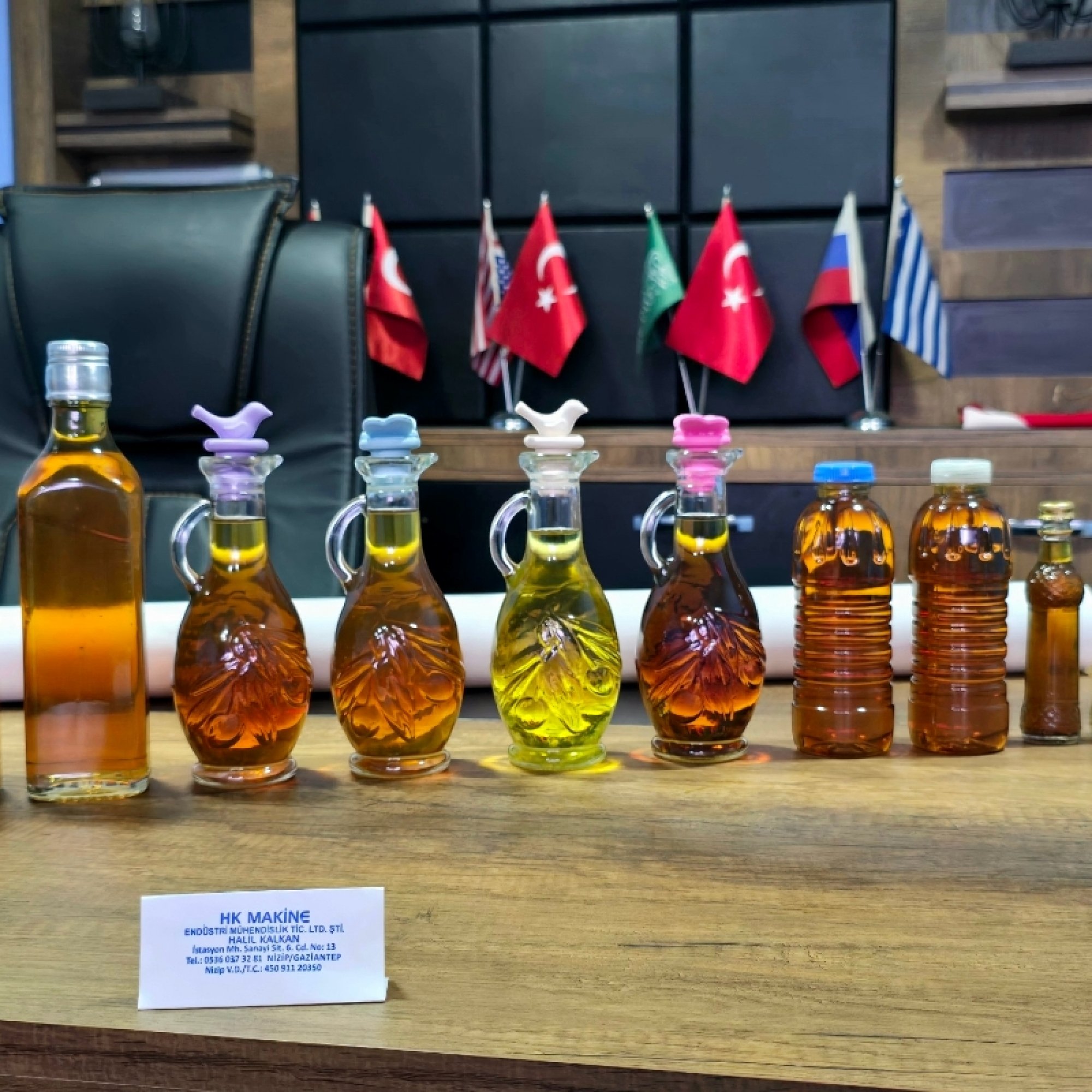
Pure Base Oil (Group I)
Recovery Efficiency
3 Options
Heating Fuel Types
(Gas, Diesel, Waste Oil)
Production Stages

Working Principle of Vacuum Waste Oil Distillation Machine

Unlike outdated acid-clay processes, our environmentally friendly vacuum technology produces no toxic acid sludge. It conducts complex chemical separation processes safely inside sealed reactors. A typical Batch cycle operates step-by-step as follows:

01

Dehydration (Water & Moisture Removal)

Before entering the main reactor, the waste oil is pre-heated to around 110-130°C. Trapped rain water, coolants, and light solvents are vaporized and discharged from the system, preventing foaming in the main stage.

02

High Vacuum Distillation

The dehydrated oil is transferred to the main reactor and strong vacuum pumps are activated. Lowering the pressure allows the oil to reach its boiling point at 280-360°C without burning or thermal cracking.

03

Fractionation & Condensation

Vaporized oil rises through the fractionating column and is extracted as light (SN150) and heavy (SN500) fractions based on molecular weight. It then liquefies back to base oil through water-cooled exchangers.

04

Color Bleaching (Polishing Unit)

The distilled oil is clear but is treated with special bleaching earth or silica gel under agitation to completely eliminate burnt odors, unstable sulfur complexes, and dark pigments.

05

Filter Press Final Purification

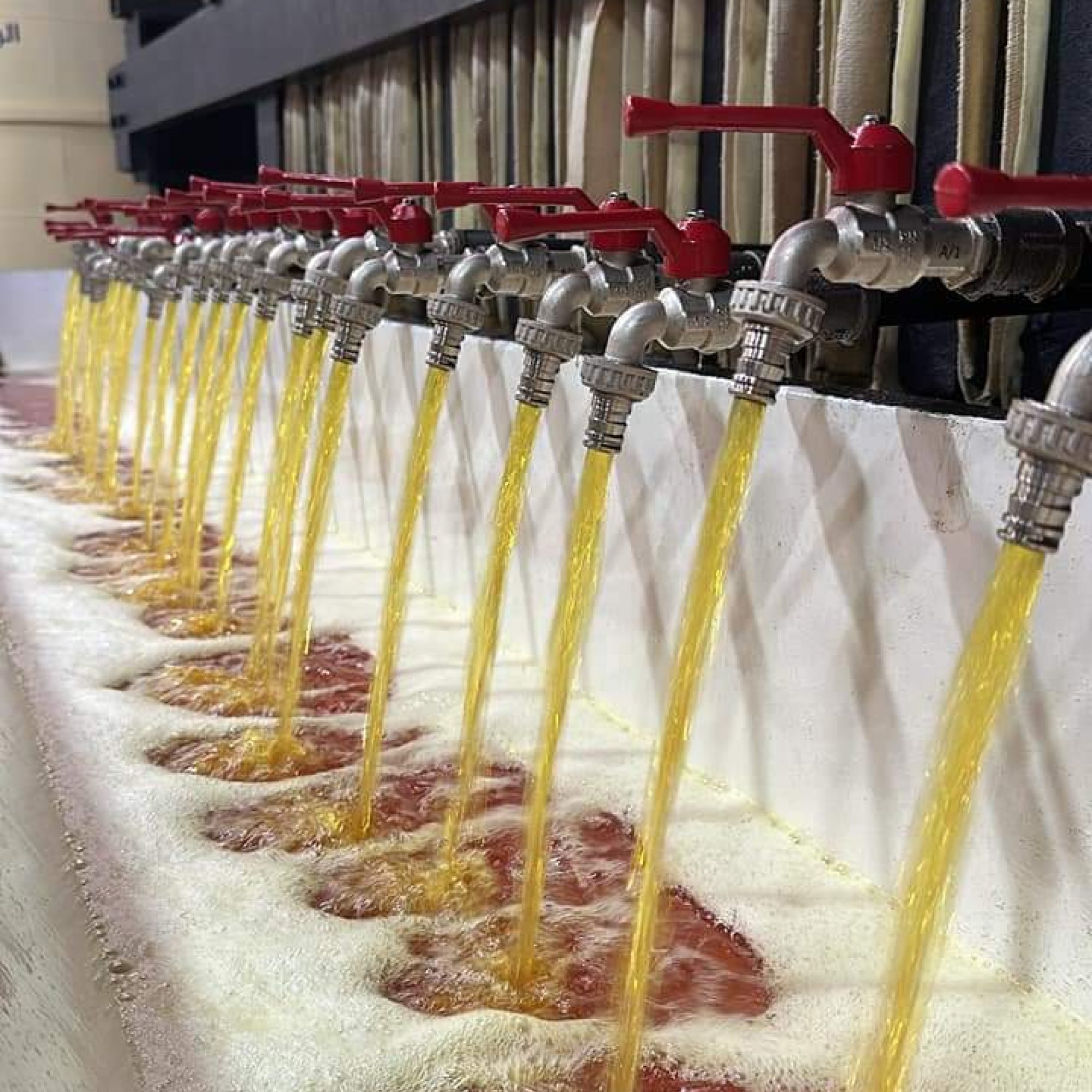
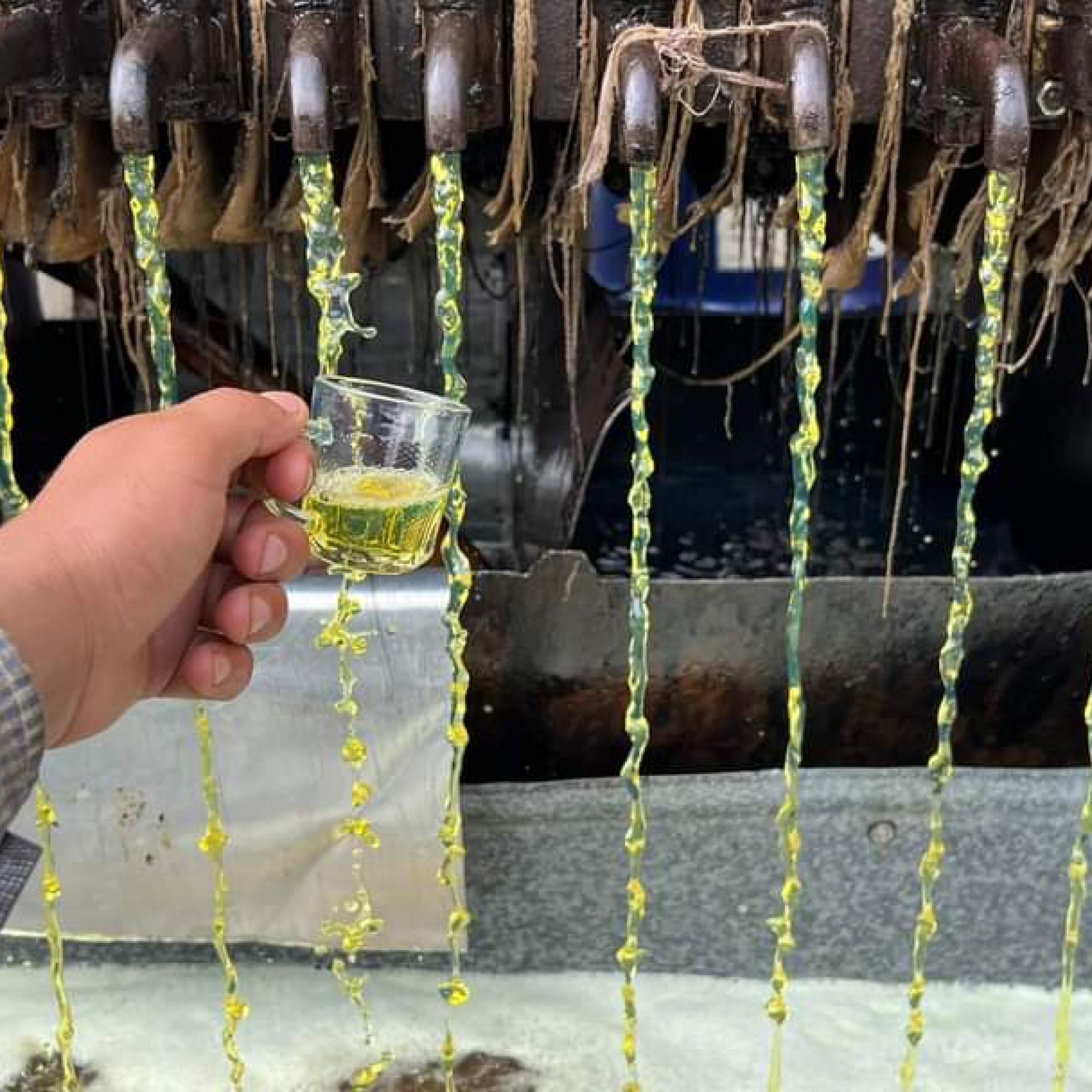
In the final stage, bleaching clay and micron-sized carbon particles are separated using a high-pressure plate filter press. The result is pure, golden-colored, commercially valuable Group I base oil.

06

Gas Emission & Bitumen Management

Non-condensable emissions are routed through a wet gas scrubber system to meet environmental standards. The remaining heavy residue (bitumen) in the reactor is discharged to be sold for asphalt/waterproofing.

Looking for a Mobile Plant?

Explore our special page dedicated to portable, compact, containerized mobile waste oil purification machines ranging from 500L to 5,000L capacity.

View Mobile Machine Models →
Accepted Raw Materials

Mineral Oil Recovery Plant: Which Oils Can Be Processed?

Thanks to the operational flexibility of our Batch system vacuum distillation plants, you can process various waste oils independently without contamination.

  • Black Waste Engine Oils Carbonized crankcase oils collected from gasoline and diesel passenger cars, trucks, or heavy machinery.
  • Used Hydraulic Oils Contaminated and moisture-laden hydraulic fluids extracted from industrial presses, excavators, and elevator systems.
  • Transformer & Dielectric Oils Low-viscosity insulating oils from electrical transformers that have absorbed moisture and dissolved gases over time.
  • Gearbox & Transmission Oils High-viscosity, thick wear oils discharged from industrial gear reducers and automotive gearboxes.
  • Turbine & Compressor Oils Synthetic and mineral-based lubricating oils that have reached the end of their physical lifecycle in power plants or compressors.
  • Heat Transfer (Thermal Oil) Waste Degraded industrial heat transfer oils that have undergone thermal cracking in boiler circulation systems.
System Comparison

Why Choose a "Batch" System for Your Motor Oil Purification Plant?

The choice of operating system is the most crucial decision in setting up a waste oil refinery. At HK Machine, we strongly advise investors to choose our proven, economic, and flexible Batch systems.

What is a Batch System? A specific volume of waste oil (e.g., 10 tons) is fed into the reactor, processed completely under vacuum to generate base oil, and shut down to discharge the heavy residue. The system is then ready for the next cycle. This is the safest and most profitable method for daily processing demands between 500 liters and 50,000 liters.

Unmatched Advantages of Batch Systems:

1. Low Initial Investment: Requires no expensive PLC configurations, complex software, or countless pressure sensors, resulting in a significantly lower capital cost.
2. Operational Flexibility: You can process black engine oil today, clean the reactor, and process transformer oil tomorrow. The products do not mix, and output quality remains entirely under your control.
3. Easy Operation & Maintenance: Does not require advanced chemical engineering knowledge. Standard operator training is sufficient, and maintenance costs are extremely low.

When Are Continuous Systems Required?

Continuous flow systems are ideal only for large-scale refinery projects processing over 50,000 liters (50 tons) of a single, uniform raw material continuously 24/7 for months. At smaller capacities, continuous systems pose high risks of clogging and demand excessive investment costs.

Energy Management

Flexible Heating Systems for Waste Oil Purification

Energy represents the largest operational cost in waste oil recycling. We tailor our Batch systems with two different heating infrastructures depending on your region and budget:

1. Thermal Oil Coil (Indirect) Heating

  • Indirect Heating: Thermal fluid heated in an external boiler circulates through coils inside the reactor walls to boil the waste oil.
  • Maximum Safety: Controlled, soft heat transfer prevents the oil from sticking to the reactor bottom, eliminating thermal cracking risks.
  • Benefit: The resulting base oil has a brighter color, less odor, and superior overall quality.

Burner Fuel Options

We design burner systems based on the most economical fuel source available in your production region:

1. Waste Oil (Light Fuel)

The plant extracts 6-8% diesel-like light distillate fuel during distillation. You can store and burn this fuel in your own burner, dropping your heating costs to zero.

2. Natural Gas or LPG

Ideal for facilities in industrial zones with established gas grids. Natural gas burners guarantee a clean burn with zero soot, smoke, or particulate emissions from the stack.

3. Standard Diesel (Gas Oil)

Recommended for remote locations or African regions without natural gas access, ensuring high combustion efficiency and stable temperature regulation.

Lab Analysis & Efficiency

Yield Efficiencies and Flash Point Values of Base Oil Production

While output varies based on raw material quality, here are the average product yields and international ASTM D92 flash point temperatures of the SN base oils produced by our vacuum distillation unit.

Average Output Percentages (%)

Based on processing 10 tons of black waste engine oil.

Group I Base Oil (SN150-SN500) 80% - 85%
85%
Light Fuel (Saves Plant Energy) 6% - 8%
8%
Bitumen Residue (Asphalt Additive) 7% - 10%
7%

ASTM D92 Flash Point Values

Minimum temperature resistance of the produced base oils against ignition.

SN 150 Base Oil Min. 190°C
190°C
SN 300 Base Oil Min. 215°C
215°C
SN 500 Base Oil Min. 240°C
240°C
Plant Design

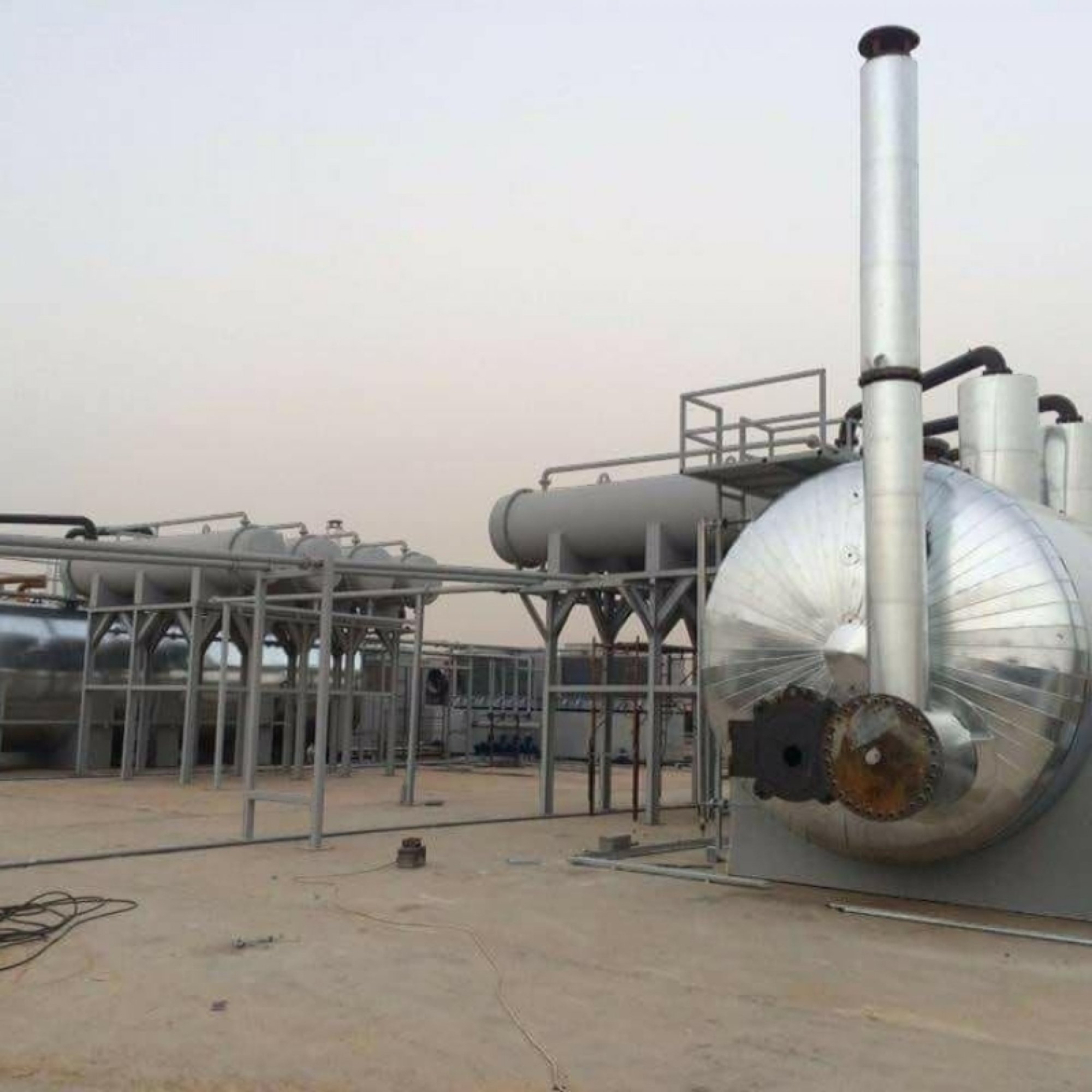
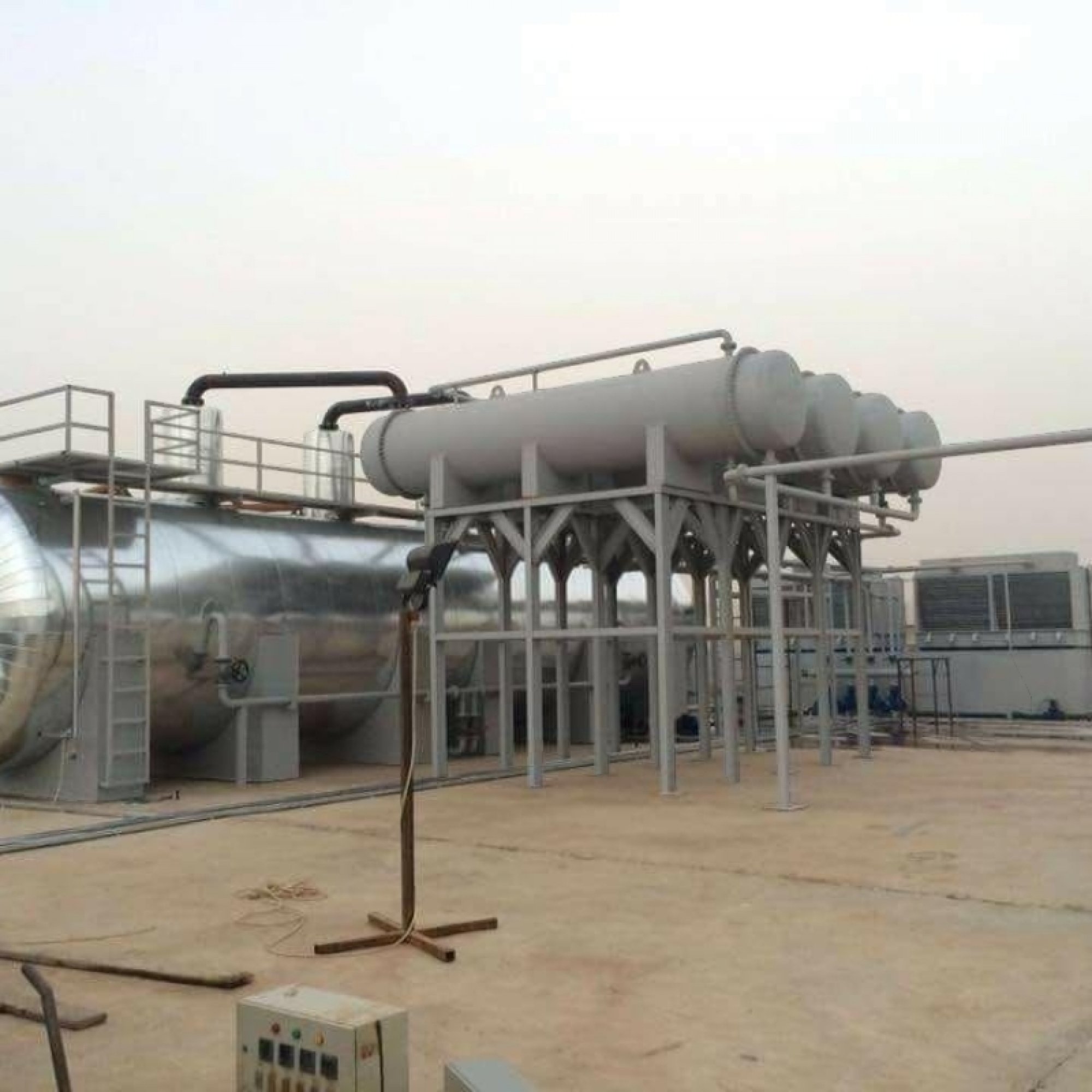
Turn-key Waste Oil Refinery 3D Modeling

You can inspect the reactor placement, condensation piping, and general design of our industrial waste oil recycling plants in the 3D technical animation video below. Custom projects are prepared for your site layout.

Capacity Models

Batch Distillation Plant Capacities

Space and infrastructure requirements vary based on your daily processing volume. You can refer to our standard model matrix below to choose the best configuration:

DAILY PROCESSING CAPACITY OPERATIONAL TYPE HEATING OPTIONS AUTOMATION LEVEL MINIMUM REQUIRED AREA
500 Liters (0.5 Ton)
View Mobile Version
Batch System Burner or Electric Resistances Manual / Digital Thermostat 50 - 100 m²
5,000 Liters (5 Tons)
View Mobile Version
Batch System Burner (Gas/Diesel) or Thermal Oil Semi-Automatic / Digital Panel 250 m² Covered Area
10,000 Liters (10 Tons) Batch System Thermal Oil or Twin Burner PLC Control Panel 400 m²
20,000 Liters (20 Tons) Batch (Multi-Reactor) Thermal Oil Boiler System Advanced PLC Touchscreen 600 m²
50,000 Liters (50 Tons) Batch (Multi-Reactor) Heavy-Duty Thermal Oil Boiler Full PLC SCADA System 1,200 m² + Tank Yard
Above 50,000 Liters (Continuous) Continuous Flow System Thermal Oil or Dedicated Furnace Advanced SCADA Automation Project-Specific Custom Engineering
Frequently Asked Questions

Everything You Need to Know Before Investing

1. How much covered space is required to install the system?
It varies by capacity. For a standard 5-ton batch system waste oil recycling plant, a covered area of 250 m² with a minimum ceiling height of 6 meters is sufficient. Additionally, a tank yard outside is recommended to manage raw material intake and processed base oil storage logistically.
2. How much electricity does the plant consume?
Since the thermal energy for our batch distillation system is supplied by burners (burning gas, diesel, or waste oil), electrical energy is only required for auxiliary components (vacuum pumps, cooling tower fans, transfer pumps, and lighting). This ensures very low operational costs. Installed power ranges from 30 kW to 150 kW depending on capacity.
3. How are installation, shipping, and operator training managed?
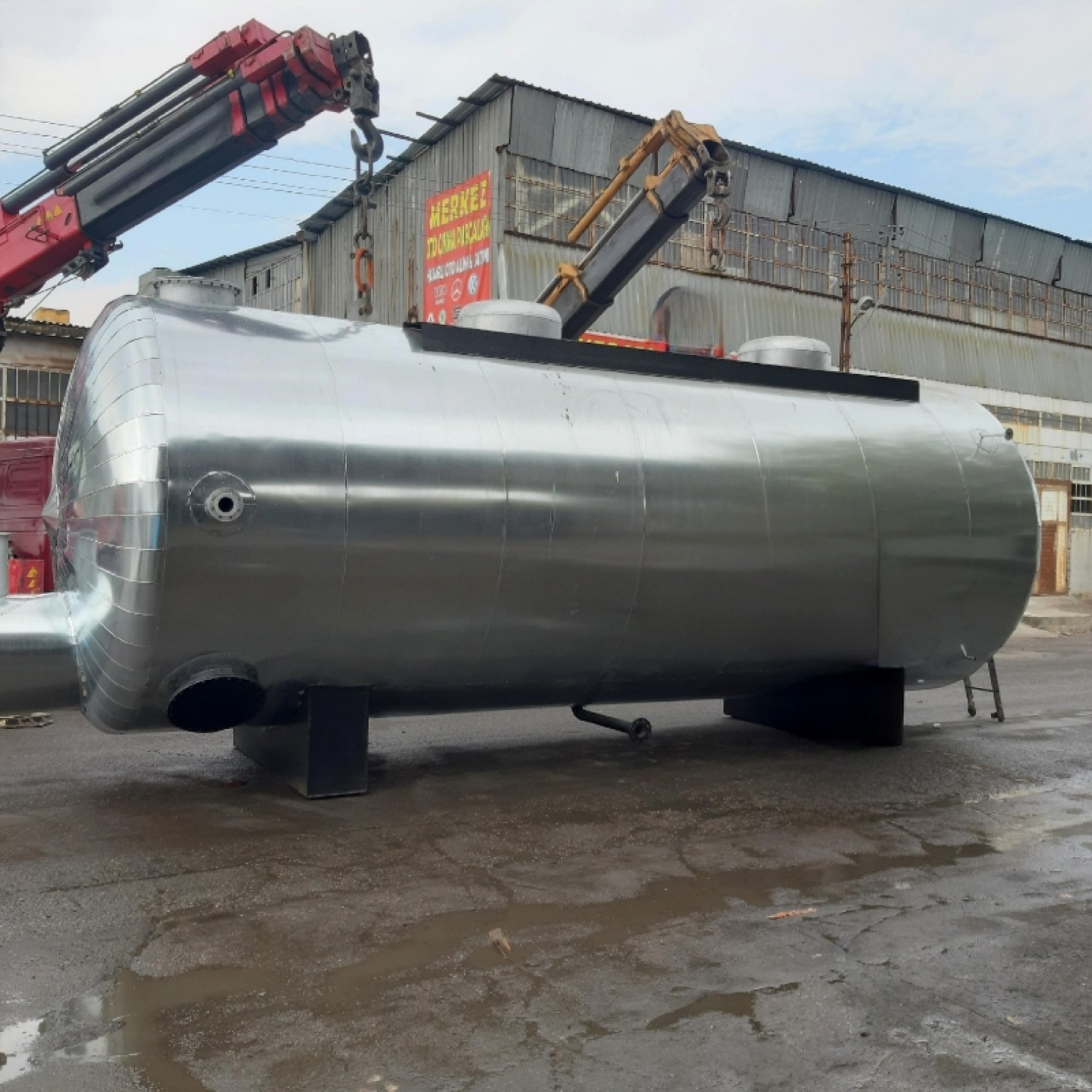
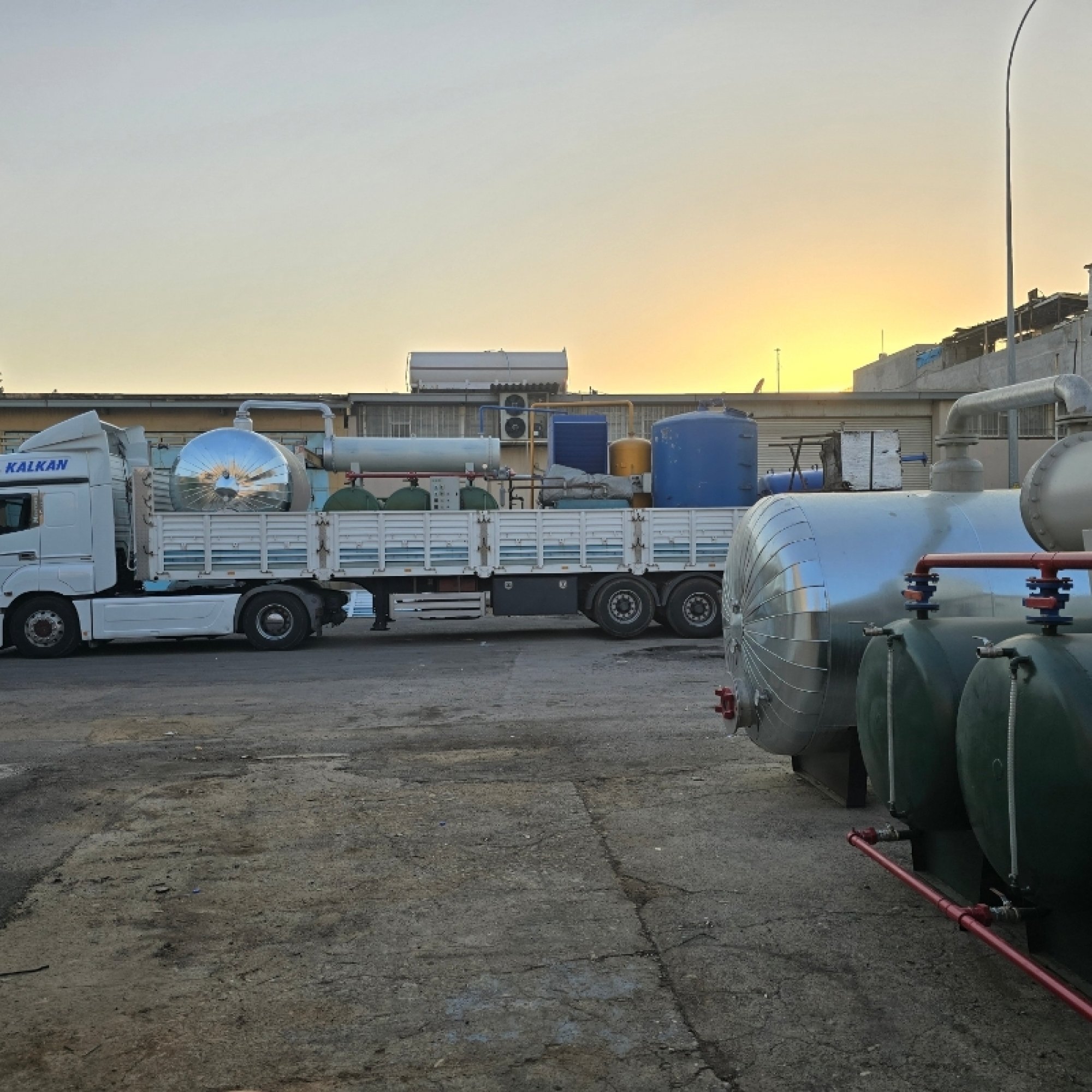
Your plant is manufactured to heavy industry standards at our Gaziantep Nizip factory based on your specific layout. The modular reactors and heat exchangers are shipped via trucks. HK Machine's expert piping and installation team installs the complete system on site. During commissioning, your staff receives hands-on operator training covering temperature control, vacuum management, and safe operation.
4. What is the average Return on Investment (ROI) period?
Subject to local raw material costs and marketing prices, our recycling plants pay back their initial capital cost within 6 to 12 months. Low utility expenses and high base oil demand facilitate this rapid return.
5. How can we adjust the color and quality of the output base oil?
Output color and viscosity are managed by regulating distillation temperatures, vacuum depth, and the volume of bleaching clay or silica gel used in the polishing unit. Your operators will easily control this following our training.
6. What is the difference between Batch and Continuous systems?
Batch systems process a defined volume of oil per cycle, while continuous systems run 24/7 without stopping, continuously receiving raw material and discharging products. We recommend continuous systems for volumes above 50 tons/day, and highly versatile batch systems for lower capacities.
7. Does the plant generate any toxic emissions, gas, or bad odors?
No. The distillation process operates in a closed loop under high vacuum. Non-condensable waste gases are neutralized through an integrated wet gas scrubber system, meeting environmental emission standard thresholds.
8. Where can we sell the produced SN150 and SN500 base oils?
Recovered Group I base oils are in high demand as a main raw material for lubricant blending facilities, grease producers, metalworking fluids, form oils, and various industrial lubricants worldwide.

Gaziantep Based, Exporting Worldwide

Based in Nizip Industrial Zone, Gaziantep, Turkey, HK Machine designs and manufactures high-tech Batch waste oil purification and distillation plants. We deliver turn-key solutions domestically and export to Africa, the Middle East, Asia, and Europe. Our engineering is fully compliant with global standards (API, ASME, CE), ensuring highly profitable recycling projects.

Product Images